

Vietnam Divided: A Traveler’s Historical Journey (1955)
By 1955, Vietnam had achieved independence, but peace remained elusive. The nation was divided into two contrasting states. In the North, Ho Chi Minh established a communist government, while in the South, Ngo Dinh Diem emerged as leader with strong support from the United States.
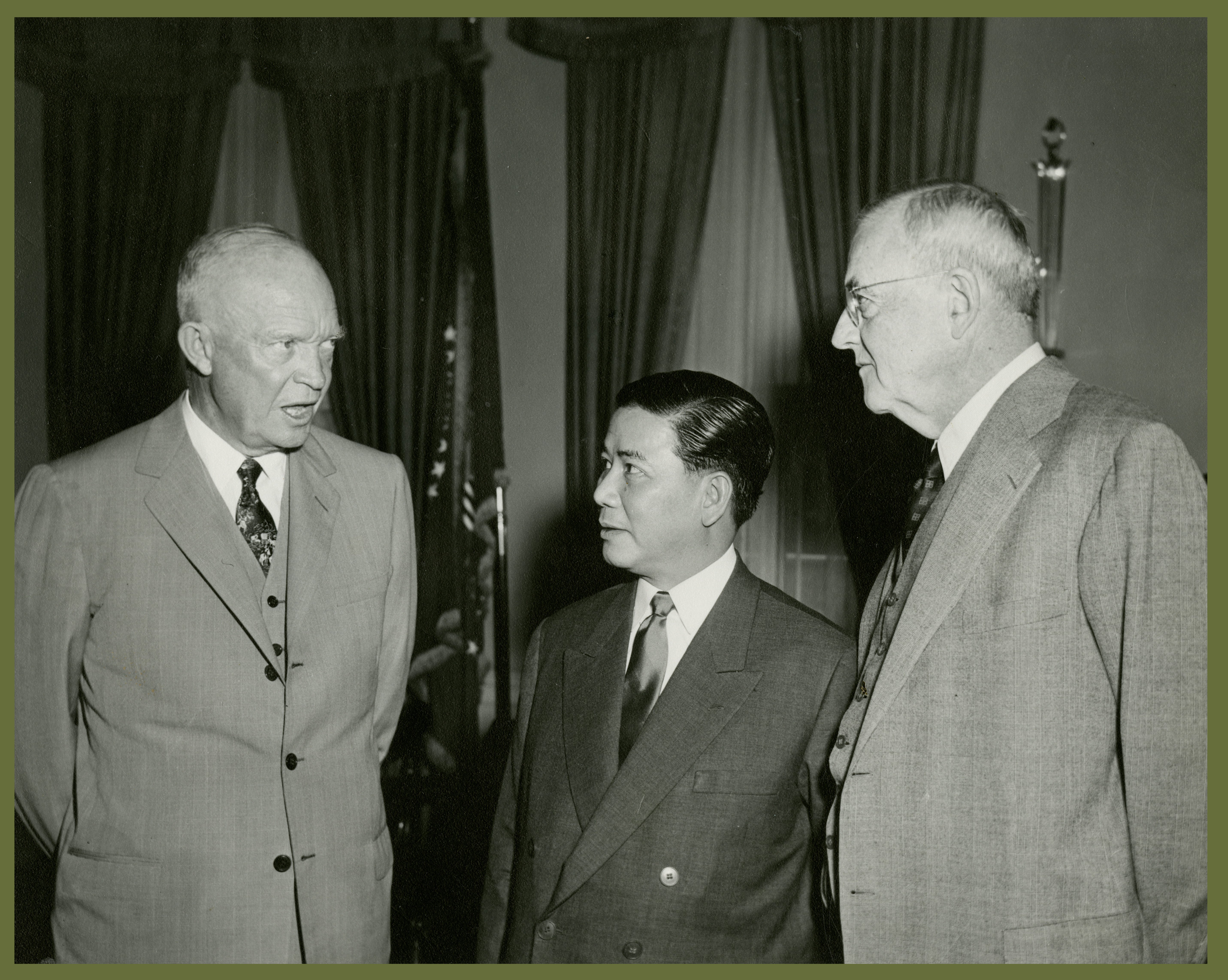
President Dwight D. Eisenhower meeting with President Ngo Dinh Diem of the Republic of Vietnam and Secretary of State John Foster Dulles in the Oval Office of the White House.
For travelers moving through Vietnam during the months following the Geneva Accords, the country was a land in transition. The border between North and South remained open for 300 days, triggering one of the largest migrations in Southeast Asian history. Nearly one million Vietnamese, many of them Catholics concerned about life under communist rule, journeyed south. At the same time, approximately 90,000 people, including many former Viet Minh fighters, traveled north, though some communist supporters quietly remained in the South.
American influence was becoming increasingly visible in South Vietnam. As France completed its withdrawal, the United States expanded its political and military presence, determined to prevent the spread of communism in Asia. In October 1955, Ngo Dinh Diem consolidated his power by replacing former emperor Bao Dai and proclaiming the Republic of Vietnam.
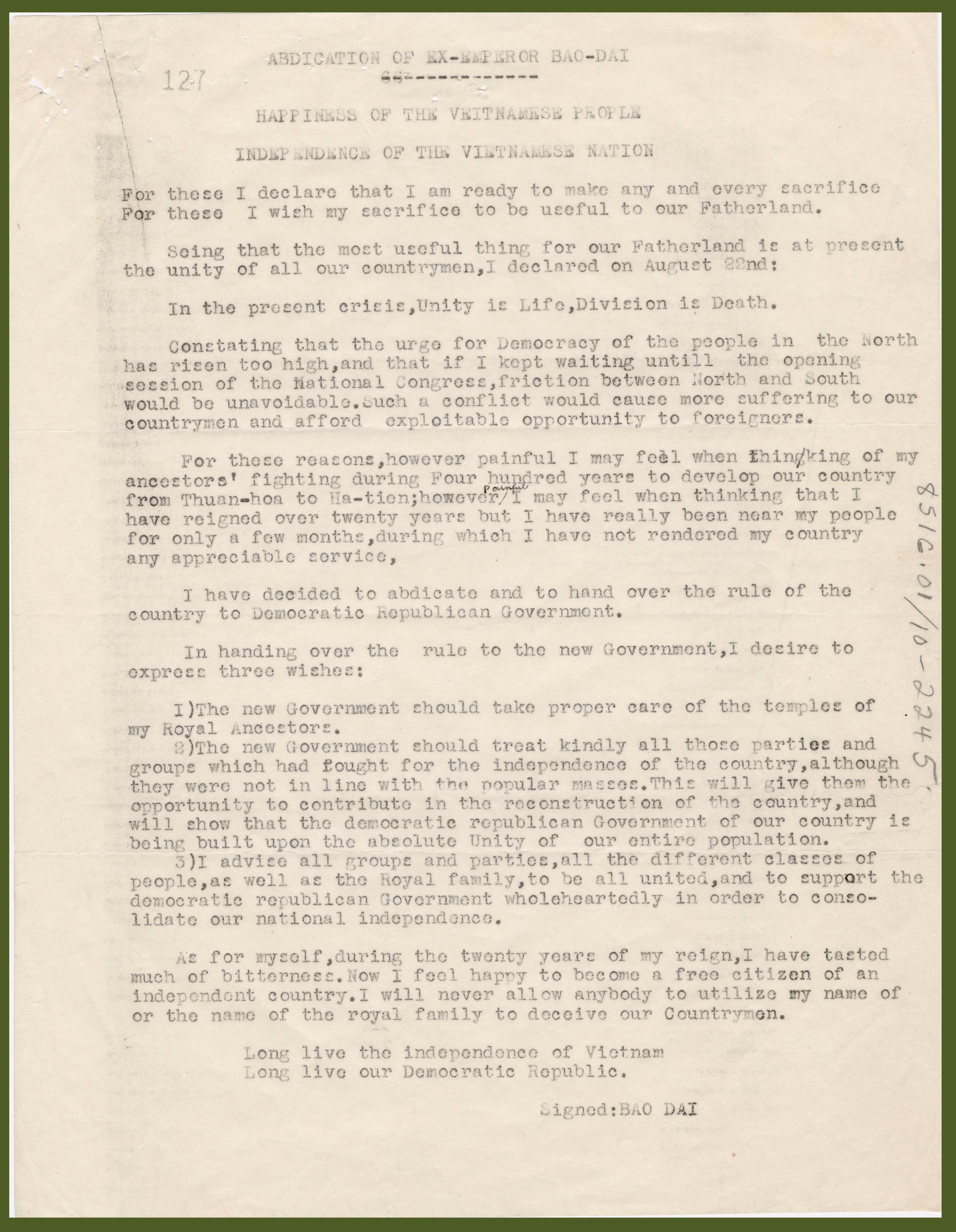
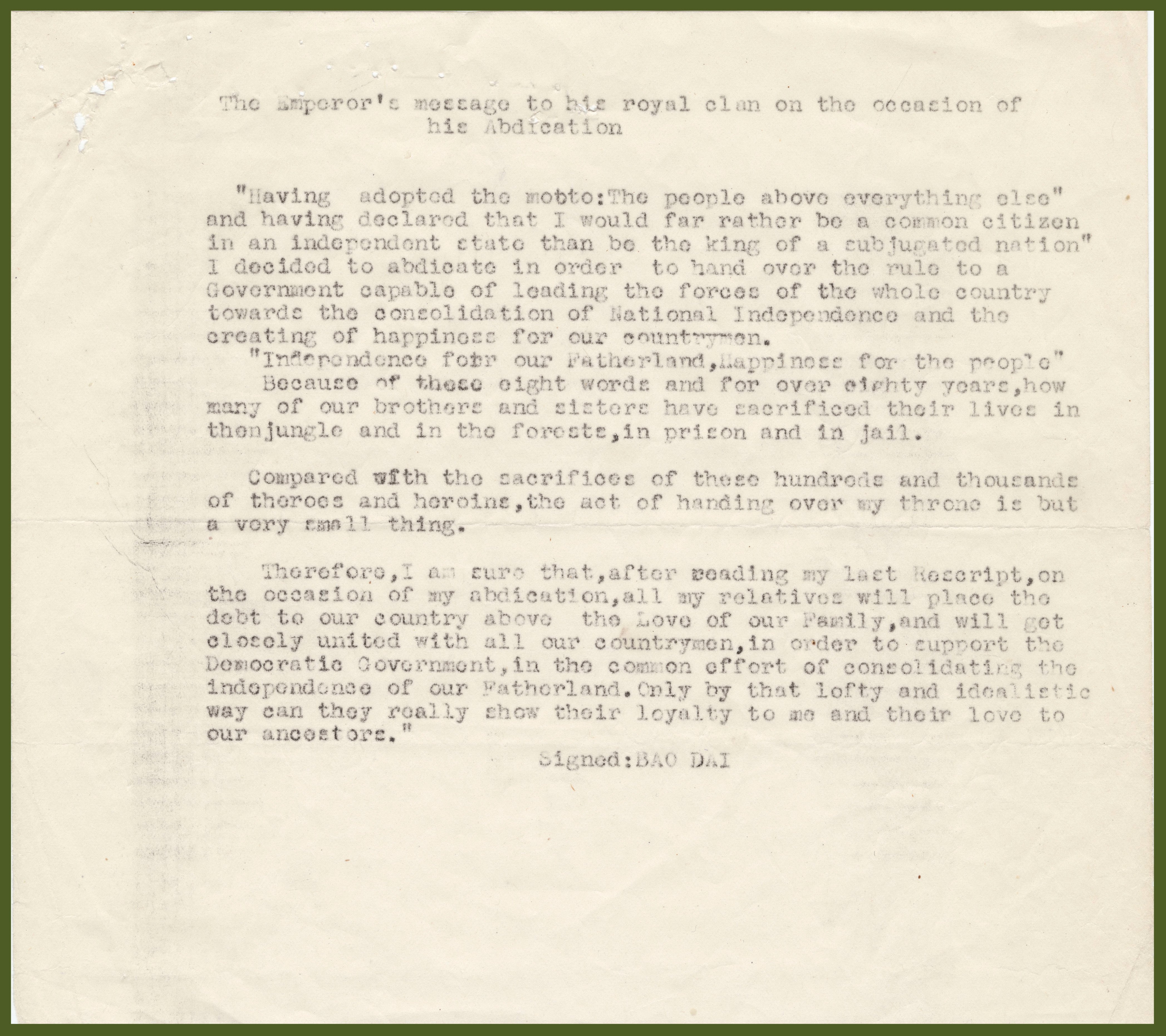
This Imperial Rescript of Emperor Bao-Dai's abdication and the Emperor's message to his royal clan on the occasion of his abdication were enclosed in the letter from Ho Chi Minh to the Secretary of State.
Meanwhile, North Vietnam focused on building a communist state. Political opponents were removed, land reforms transformed rural life, and the government worked to establish firm control over society. Although these policies often involved harsh measures, many Vietnamese viewed the northern regime as a truly national government free from foreign domination.
In the South, Diem's administration strengthened its authority with American assistance. While supporters praised its anti-communist stance, critics argued that it represented a continuation of foreign influence, with the United States replacing France as the dominant external power.
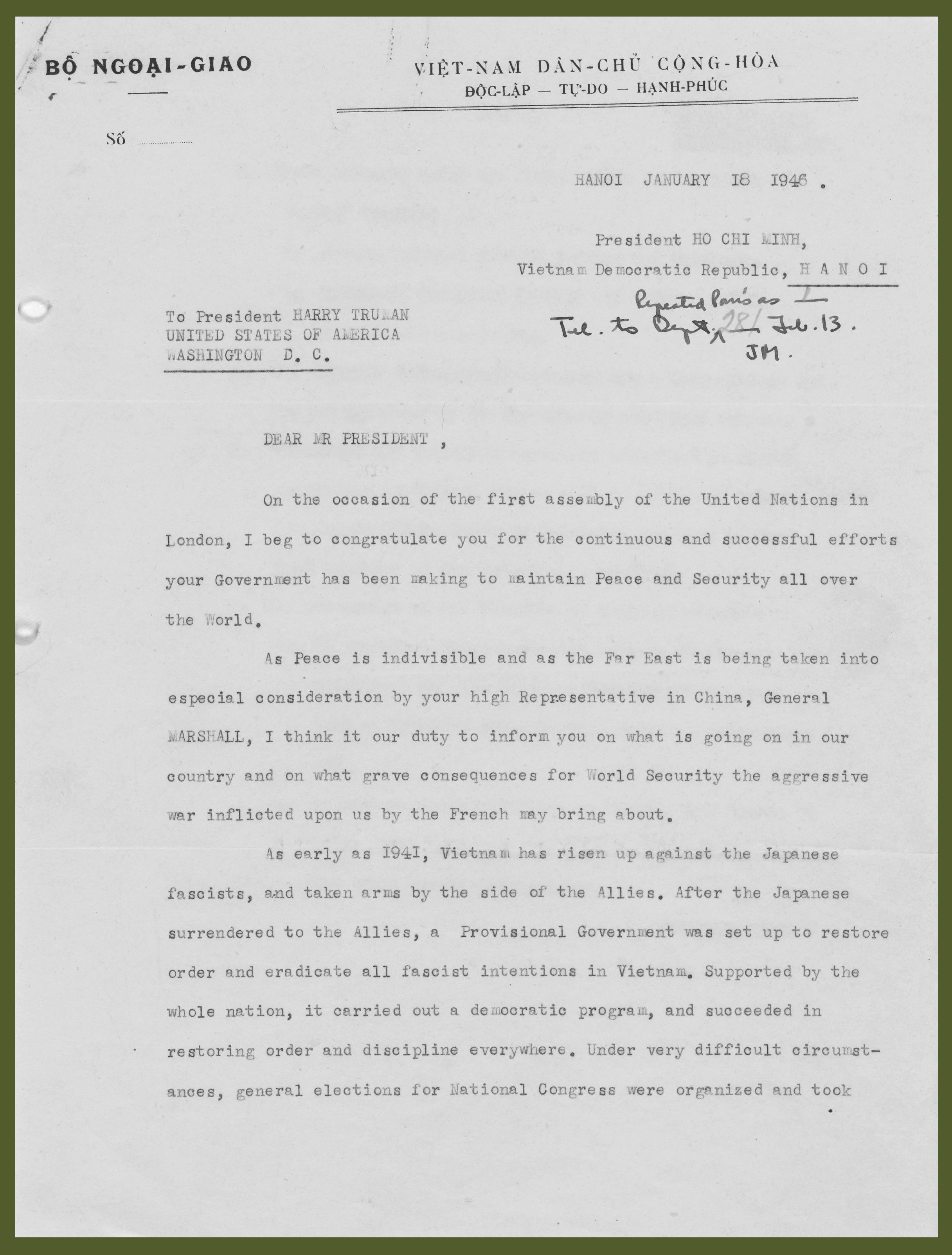
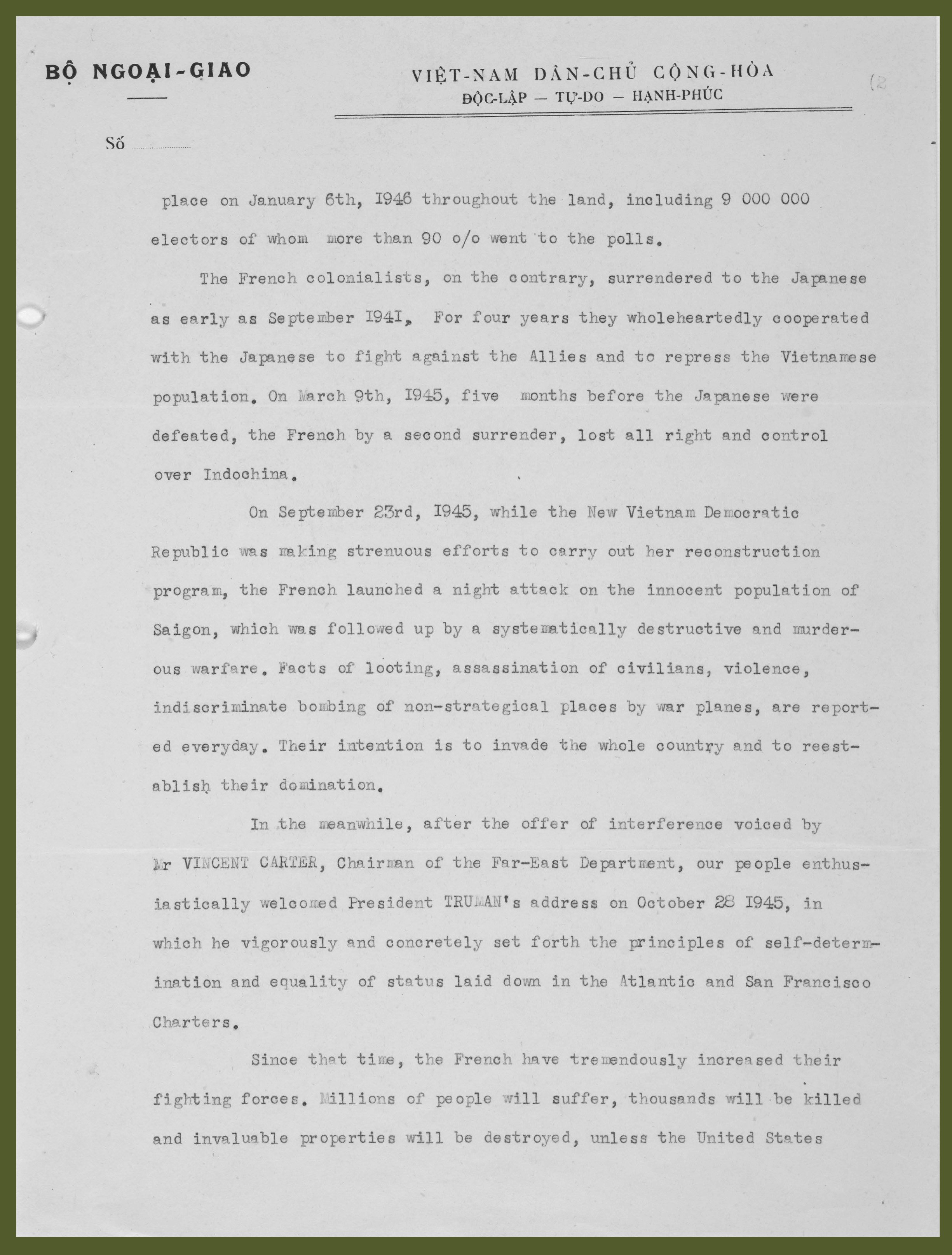
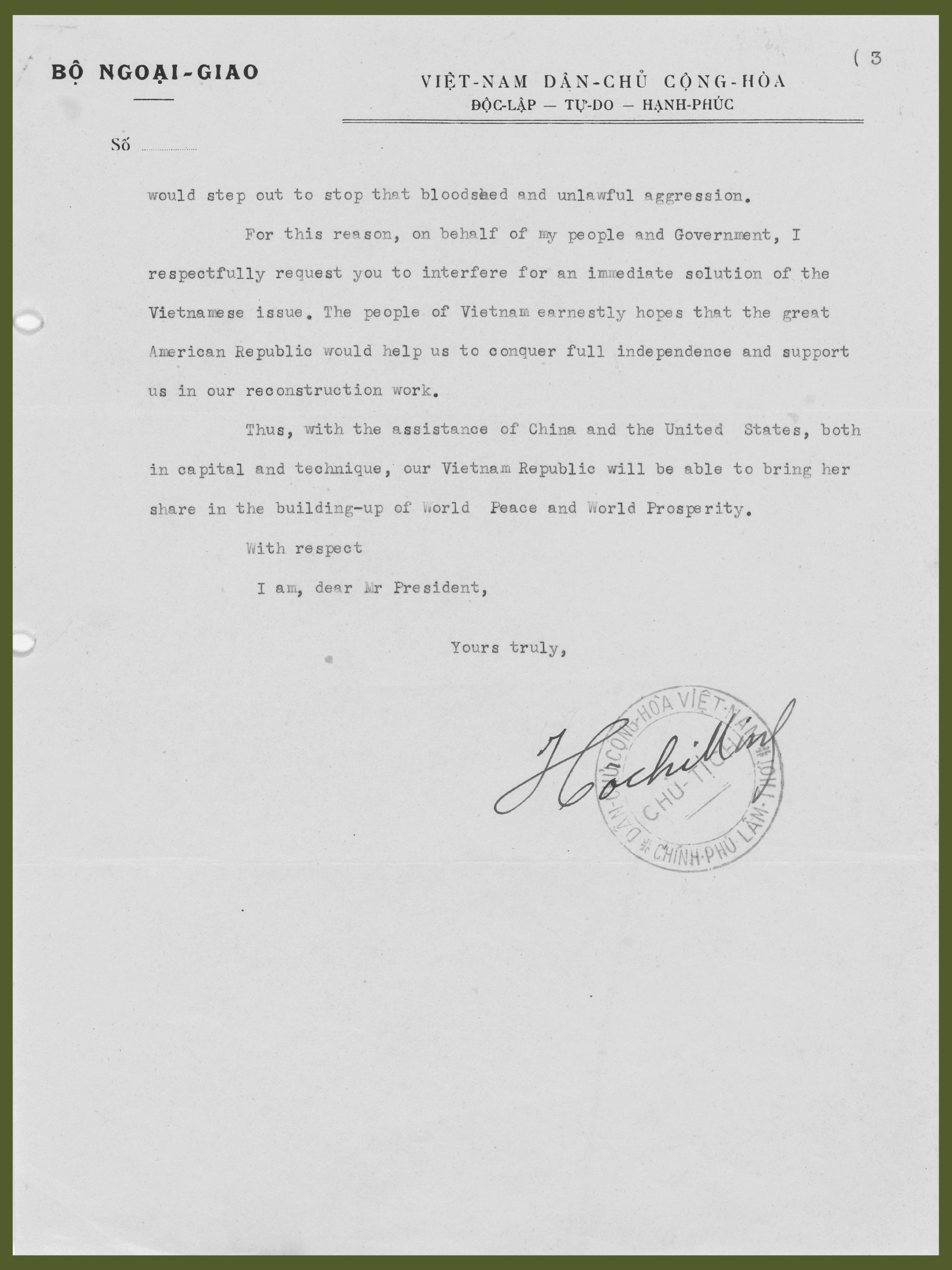
Letter from Ho Chi Minh to President Harry Truman, 18 January 1946!!!
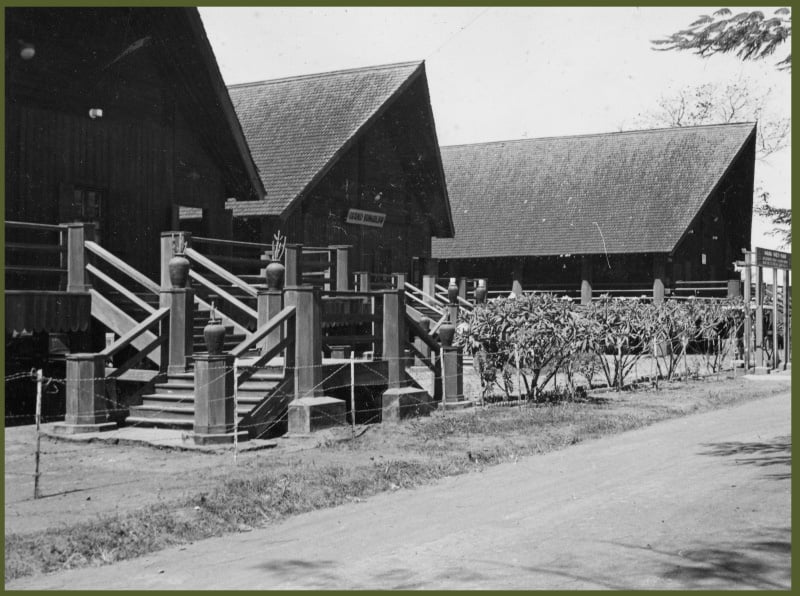
Three A-frame buildings at Ban Me Thuot, Vietnam, used by Bao Dai, the last Nguyen Emperor of Vietnam.
For anyone exploring Vietnam's history, 1955 marks a pivotal turning point—a moment when a newly independent nation became divided between two competing visions of its future, setting the stage for the conflict that would soon draw international attention and reshape the modern world.