











Traveling the Ho Chi Minh Trail
Few routes in Southeast Asia carry as much history as the Ho Chi Minh Trail. Today, travelers crossing the rugged mountains of central Vietnam and neighboring Laos can follow traces of a network that once played a crucial role in the Vietnam War.
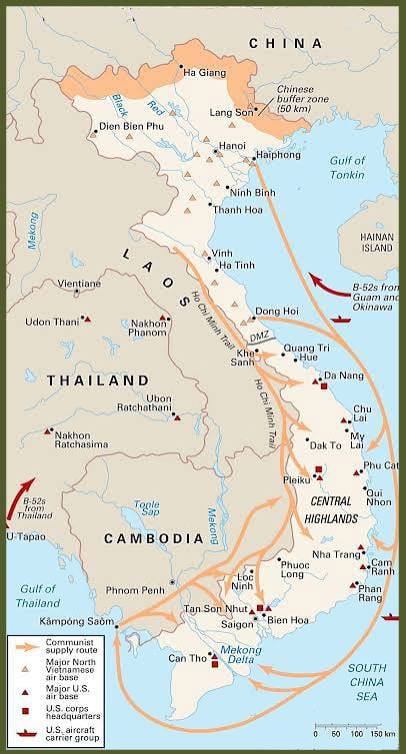 Ho Chi Minh trail (Source/Credit Britannica)
The origins of the trail reach far beyond the conflict itself. Long before it became a military supply route, these jungle paths were used by tribal hunters and traders moving through the remote Truong Son Mountains. During the struggle against French colonial rule, Viet Minh forces also relied on these hidden tracks to move men and supplies through some of the most inaccessible terrain in Indochina.
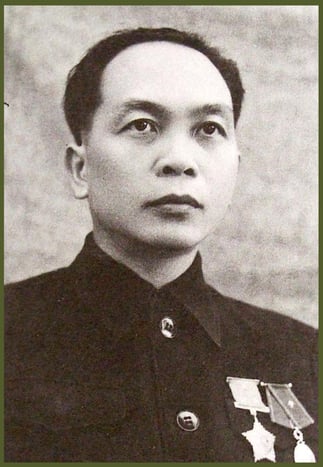
In 1954, General Vo Nguyen Giap demonstrated the strategic value of these mountain routes when he used similar trails to position thousands of troops and artillery pieces for the decisive Battle of Dien Bien Phu. The victory ended French colonial rule in the region and confirmed the importance of controlling the remote highlands.
General Võ Nguyên Giáp, photo taken in 1957
As the Vietnam War intensified, North Vietnam transformed these ancient pathways into an extensive logistical network stretching through Vietnam, Laos, and Cambodia. Known collectively as the Ho Chi Minh Trail, it became the lifeline of the communist war effort. More than one million soldiers are believed to have traveled along its routes during the conflict.
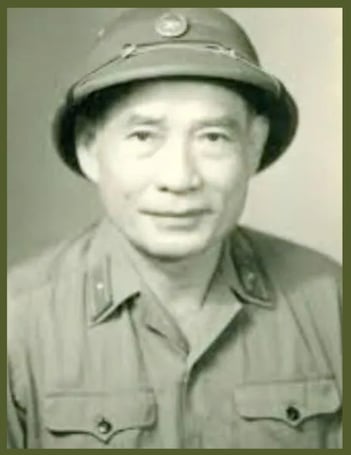
The mastermind behind the system was Colonel Vo Bam, a logistics specialist in Hanoi. His challenge was formidable: create a supply corridor that could move troops and equipment south while remaining hidden from enemy forces. When the original route near the Demilitarized Zone proved too vulnerable, the trail was redirected through the dense forests and mountains of Laos, where the difficult terrain provided natural concealment.
Major General Vo Bam (Credit / Source vietnam.vn)
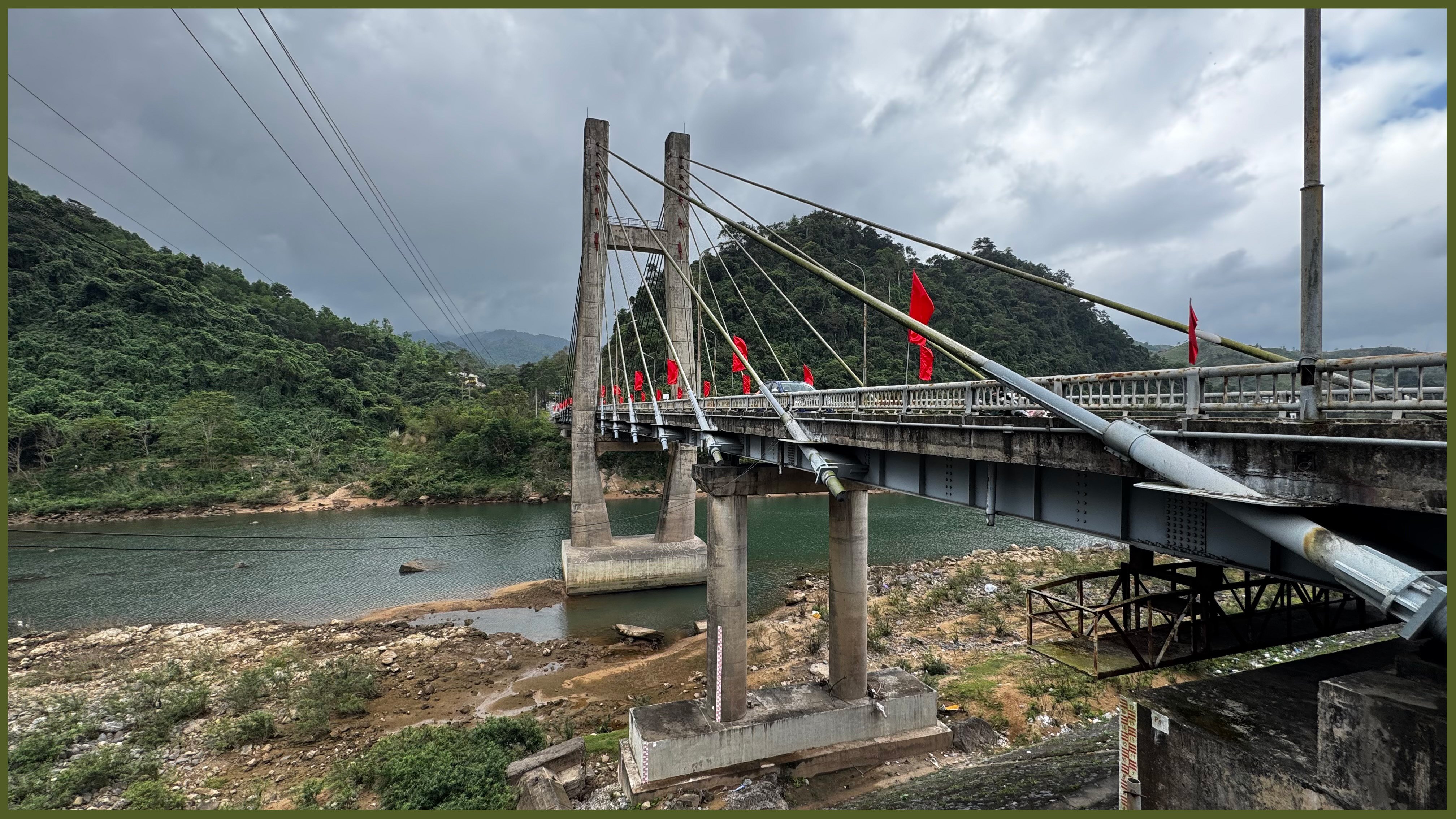
Travelers exploring these regions today may find it hard to imagine the scale of activity that once took place beneath the jungle canopy. Throughout the war, the trail endured relentless bombing campaigns. American and South Vietnamese aircraft flew hundreds of missions each day in an attempt to sever the route. Yet the network survived. Roads, bridges, and supply depots were repeatedly repaired by soldiers and civilian volunteers, often within hours of an attack.
By 1972, a new concealed roadway linked key sections of the trail through Laos and the tri-border region where Vietnam, Laos, and Cambodia meet. Hidden beneath thick jungle cover, it allowed trucks to move day and night, dramatically increasing the flow of men and supplies.
Today, remnants of the Ho Chi Minh Trail can still be explored across Vietnam and Laos. Quiet mountain roads, abandoned bunkers, rusting military equipment, and war memorials offer a glimpse into one of the most remarkable engineering and logistical achievements of the twentieth century.
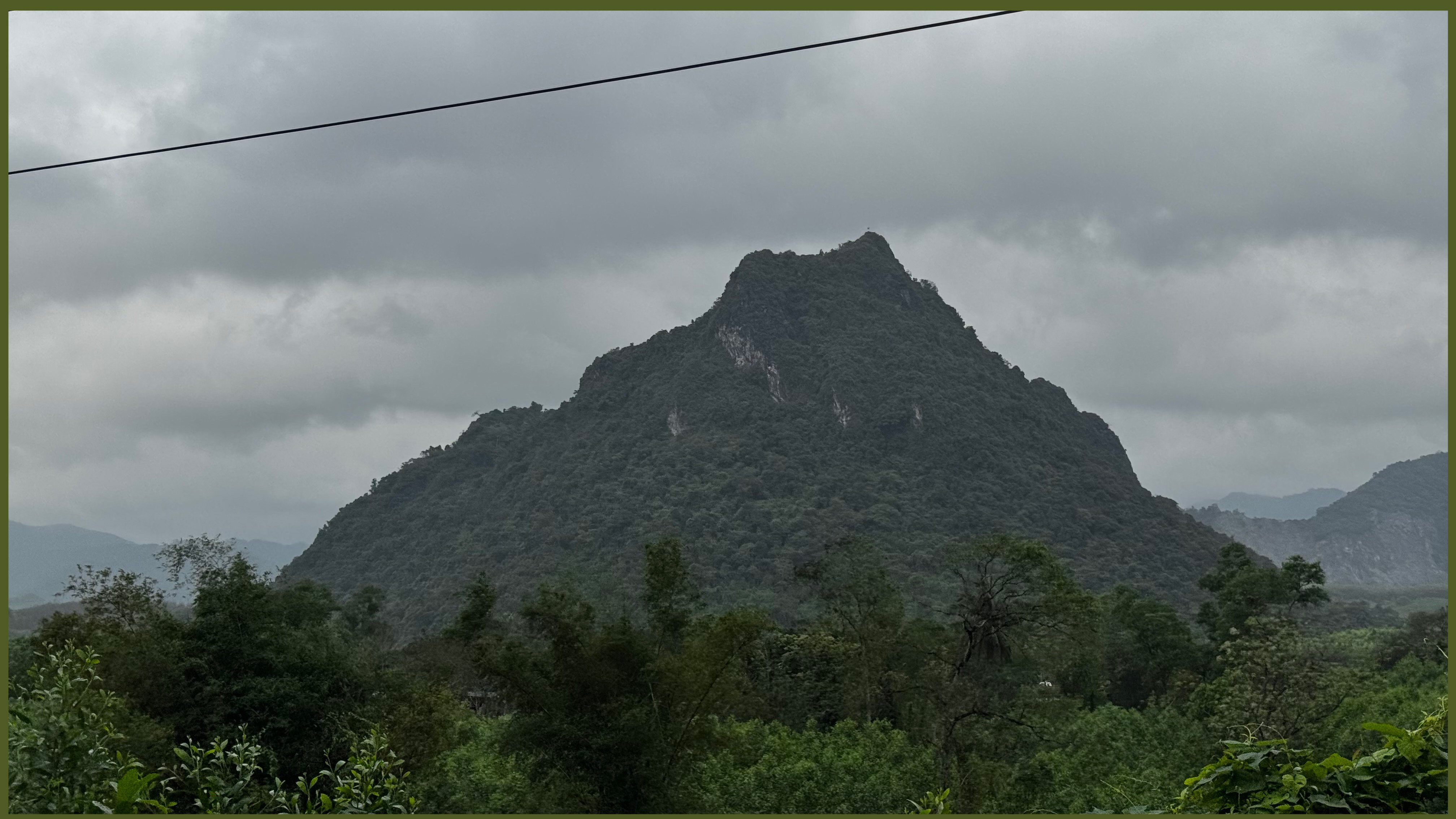
For history-minded travelers, following sections of the trail is not only a journey through spectacular landscapes but also an opportunity to understand the determination, sacrifice, and endurance that shaped modern Vietnam with Vietnam American Heroes!