




The Gulf of Tonkin Incident was a series of confrontations involving U.S. and North Vietnamese forces in August 1964 that dramatically escalated American involvement in the Vietnam War. After the USS Maddox was attacked on August 2 and a disputed second attack was reported on August 4, Congress passed the Gulf of Tonkin Resolution, giving President Lyndon B. Johnson broad authority to expand U.S. military operations in Vietnam.
By the summer of 1964, the waters of the Gulf of Tonkin had become a dangerous arena of espionage, sabotage, and military brinkmanship.
The United States had quietly authorized a series of covert operations against North Vietnam. Under a program known as OPLAN 34-A, South Vietnamese commandos, trained by U.S. Navy SEALs under CIA supervision, launched raids against targets along the North Vietnamese coast from their base at Da Nang. Their fast patrol boats struck radar stations, communication facilities, and other military installations.
At the same time, American destroyers conducted secret intelligence-gathering missions known as DeSoto patrols. Their task was to monitor North Vietnam’s defenses and collect information on Soviet-supplied radar and missile systems appearing along the coastline.
DESOTO patrols (DeHaven Special Operations off TsingtaO) were patrols conducted by U.S. Navy destroyers equipped with a mobile "van" of signals-intelligence equipment used for intelligence collection in hostile waters. The USS De Haven became the namesake for these patrols.[3] De Haven performed the first patrol off the coast of China in April 1962. (Credit / source Wikipedia, photo work of a sailor or employee of the U.S. Navy,
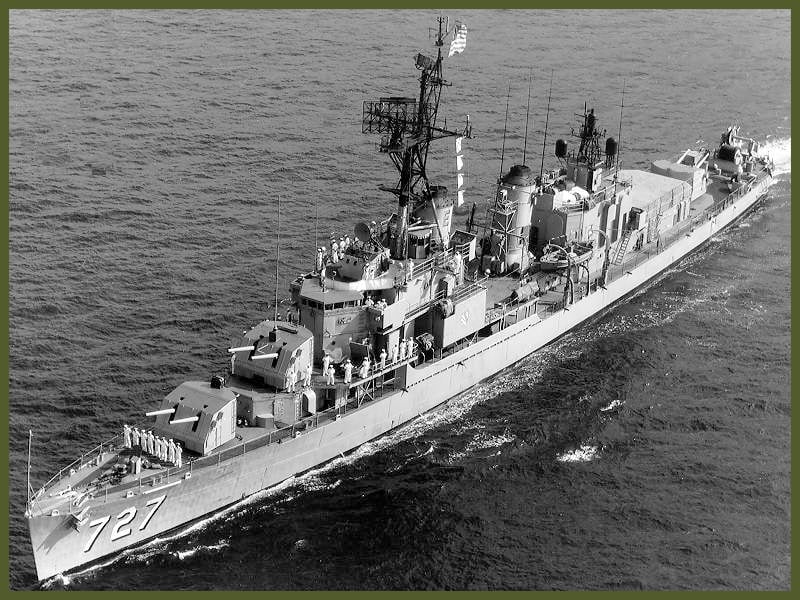
DESOTO patrol mission map off Vietnam 1964 (Credit / source Wikipedia andwork of a sailor or employee of the U.S. Navy)
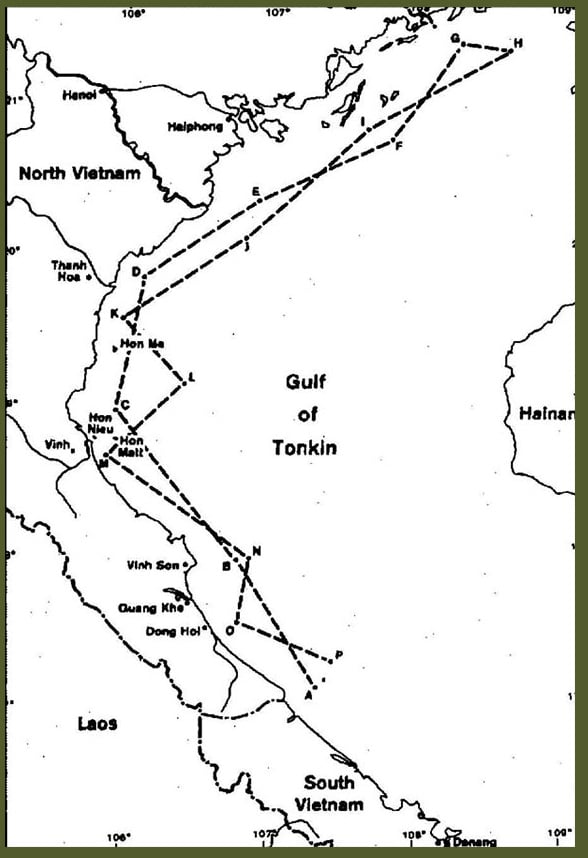
In July 1964, the Joint Chiefs of Staff ordered Admiral Ulysses Grant Sharp Jr., commander of U.S. naval forces in the Pacific, to resume these patrols. The destroyer USS Maddox, commanded by Captain John J. Herrick, was assigned to the mission.
On 1 August, the Maddox cruised through the Gulf of Tonkin, zigzagging only a few miles from North Vietnam’s coast and near the island of Hon Me. Unknown to many Americans, the region was already on edge. Just two days earlier, South Vietnamese patrol boats had attacked military targets on Hon Me and Hon Ngu islands. As the raiders withdrew, Herrick observed activity in the distance and intercepted North Vietnamese radio traffic indicating that local naval forces had been placed on alert.
USS Maddox (DD-731) underway at sea, circa the early 1960s (Credit / source Wikipedia and work of a sailor or employee of the U.S. Navy)
%20underway%20at%20sea%2c%20circa%20the%20early%201960s.jpg?width=5685&height=4236&name=USS%20Maddox%20(DD-731)%20underway%20at%20sea%2c%20circa%20the%20early%201960s.jpg)
The following morning, 2 August, tensions erupted into open combat.
As the Maddox approached the mouth of the Red River Delta, three North Vietnamese patrol torpedo boats raced toward the destroyer. When they closed to within range, Herrick ordered his guns to fire and requested air support from the aircraft carrier USS Ticonderoga.
Within minutes, four Navy jet fighters arrived overhead.
The North Vietnamese boats launched their torpedoes, but none found their target. The American destroyer’s guns and the attacking aircraft quickly turned the battle. One patrol boat was heavily damaged, another was sunk, and a third limped away battered. The brief engagement lasted just 37 minutes, but its political consequences would echo for decades.
President Lyndon B. Johnson reacted swiftly. Rather than withdraw, he ordered the Maddox back into the Gulf, accompanied by a second destroyer, the USS Turner Joy. Both ships were instructed to continue their patrols and respond forcefully to any attack.
USS Turner Joy underway at sea on 9 May 1964. (Credit / source Wikipedia and work of a sailor or employee of the U.S. Navy)
%20underway%20at%20sea%20on%209%20May%201964.jpg?width=740&height=501&name=USS%20Turner%20Joy%20(DD-951)%20underway%20at%20sea%20on%209%20May%201964.jpg)
Then came the incident that would become one of the most disputed events in American military history.
On the night of 4 August, operators aboard the Maddox intercepted North Vietnamese radio messages suggesting another attack might be imminent. In darkness and poor weather, sonar operators began reporting approaching torpedoes. Neither ship could visually identify enemy vessels, yet both destroyers opened fire into the night.
Confusion quickly spread across the fleet.
Years later, Commander James Stockdale, the naval aviator who led the air cover from the USS Ticonderoga, recalled the event bluntly:
“Our destroyers were just shooting at phantom targets. There were no PT boats.”
Despite the uncertainty, President Johnson announced that American warships had been subjected to two unprovoked attacks. He immediately ordered retaliatory strikes against North Vietnamese naval facilities and fuel depots.
The resulting operation, codenamed Pierce Arrow, inflicted significant damage on North Vietnamese patrol boat bases. Eight patrol boats were reportedly sunk and many more damaged. The United States also suffered losses. One pilot, Lieutenant Everett Alvarez Jr., was captured after his aircraft was shot down, becoming the first American airman held prisoner by North Vietnam.
While bombs fell over North Vietnam, events moved even faster in Washington.
On 5 August 1964, Congress convened to debate the Gulf of Tonkin Resolution. The measure authorized the president to take “all necessary measures” to repel aggression and defend American forces in Southeast Asia.
The debate lasted less than two hours.
President Lyndon B. Johnson signs "Gulf of Tonkin" resolution
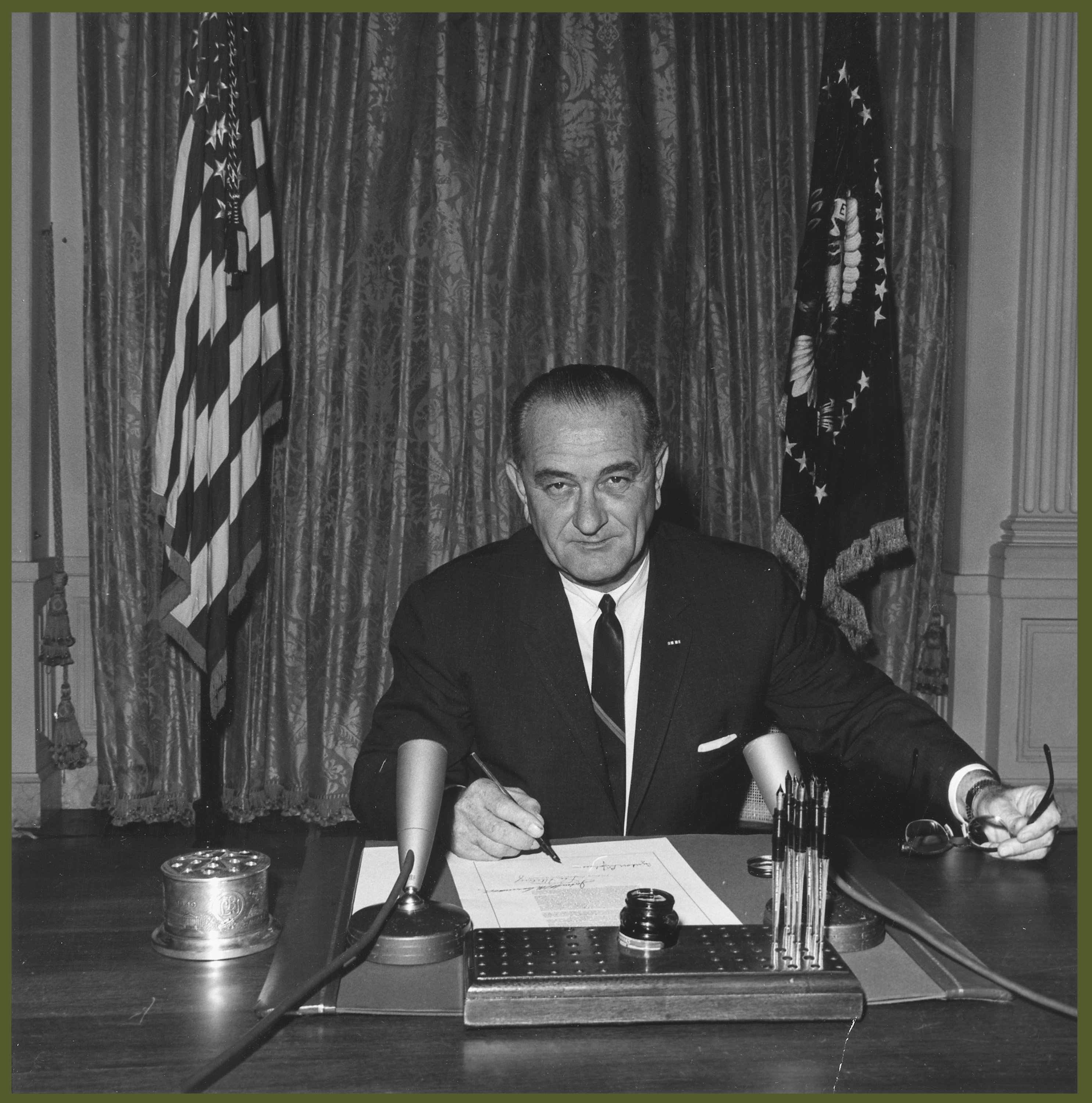
This is Public Law 88-408, Joint Resolution for the Maintenance of Peace and Security in Southeast Asia, known as the Tonkin Gulf Resolution that was passed by the United States Congress and signed by President Lyndon B. Johnson.
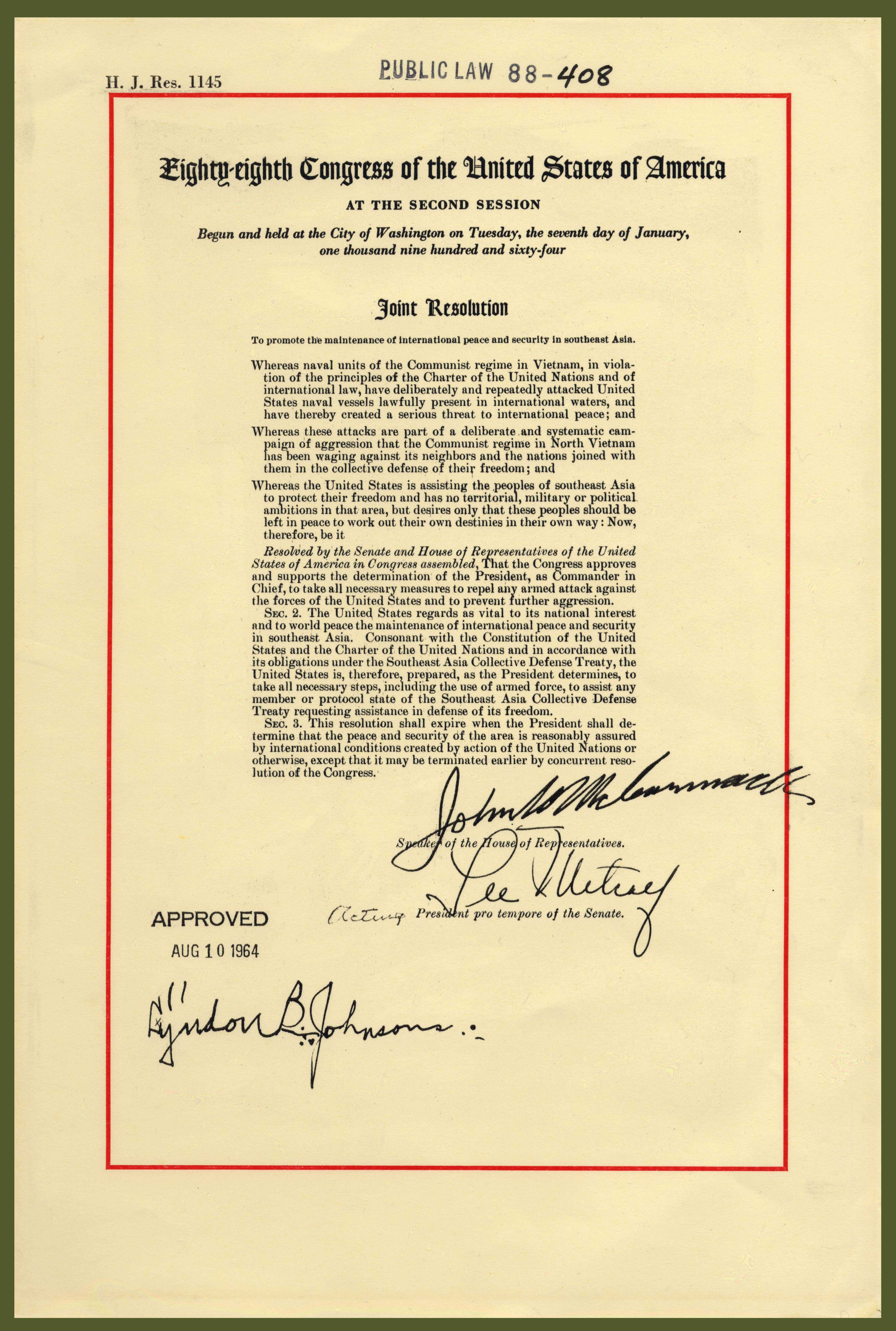
Only two senators voted against the resolution. The House of Representatives approved it unanimously.
Yet doubts about the alleged second attack surfaced almost immediately. Captain Herrick himself questioned whether any attack had actually occurred, noting that neither destroyer had made a confirmed visual sighting of enemy boats. Commander Stockdale remained adamant that no North Vietnamese vessels had been present during the incident.
Even Johnson privately expressed skepticism, reportedly wondering whether nervous sailors had mistaken flying fish for incoming torpedoes.
Those doubts changed nothing.
The Gulf of Tonkin Resolution gave Johnson the authority he sought—a virtual blank check to expand American involvement in Vietnam without a formal declaration of war.
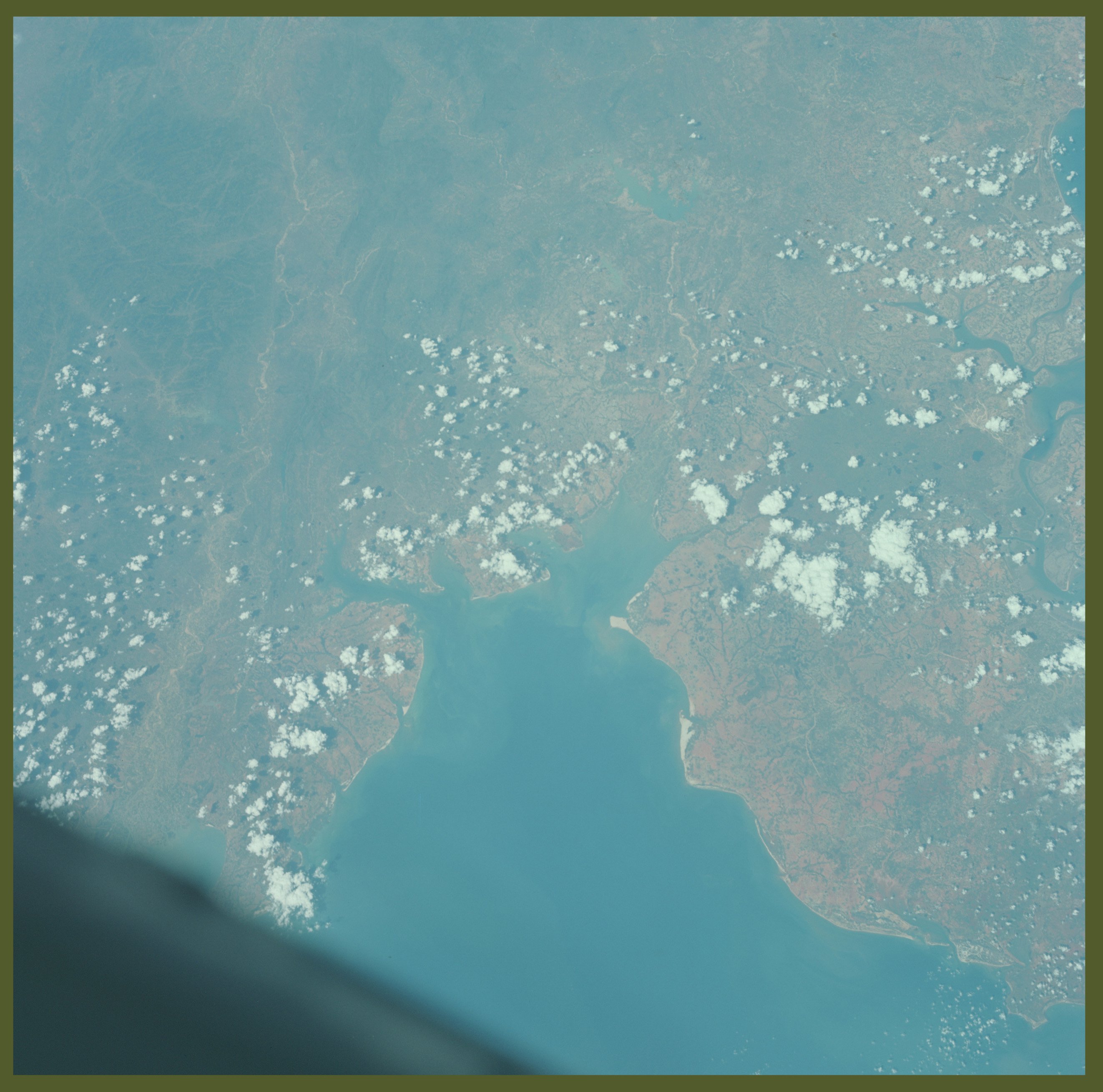
Photograph of China, Kwangtung-Kwangsi Provinces, Gulf of Tonkin, Leluchou Peninsula taken during the Gemini V mission during orbit no.11, on August 22, 1965. G.E.T. time was 06:49 / GMT time was 06:49.
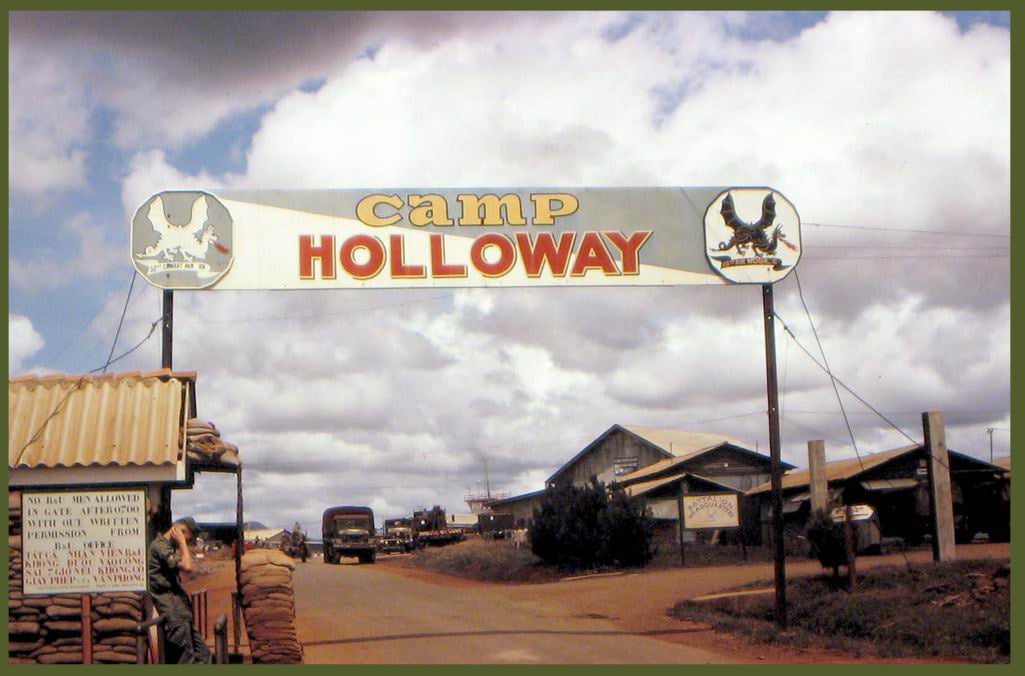
Within months, the conflict escalated dramatically. Plans for a sustained bombing campaign against North Vietnam were already under consideration, but another dramatic event accelerated the process. On 7 February 1965, Viet Cong forces attacked the American airfield at Pleiku and the nearby helicopter base at Camp Holloway, killing and wounding dozens of personnel.
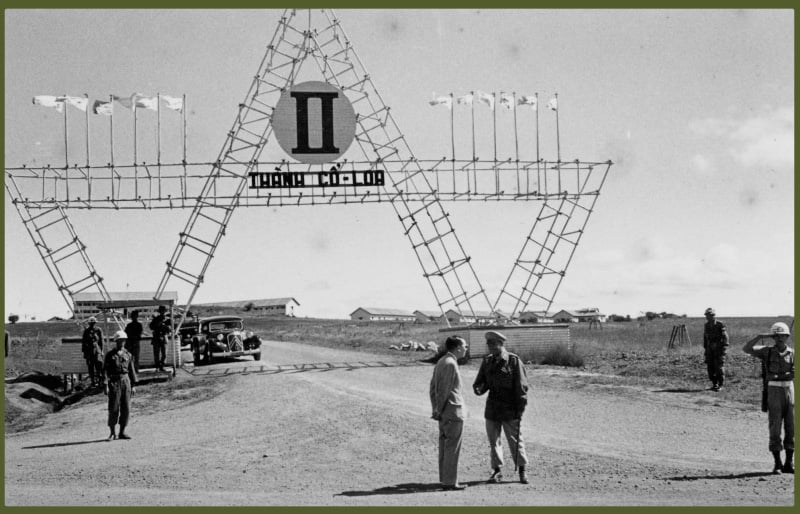
The entrance to the Second Division Headquarters of the Army of the Republic of Vietnam in Pleiku, South Vietnam
Camp Holloway 1965-1966 (Credit / source Wikipedia and work of a U.S. Army soldier)
The response was swift and overwhelming.
Operation Rolling Thunder began, launching a prolonged bombing campaign against North Vietnam and marking the beginning of a new and far more destructive phase of the Vietnam War.
Standing today along Vietnam’s northern coastline, it is difficult to imagine that these tranquil waters once witnessed an incident that changed the course of history. Yet from the confusion of a dark night in the Gulf of Tonkin emerged a decision that would draw hundreds of thousands of American troops into Vietnam and transform a regional conflict into one of the defining wars of the twentieth century.
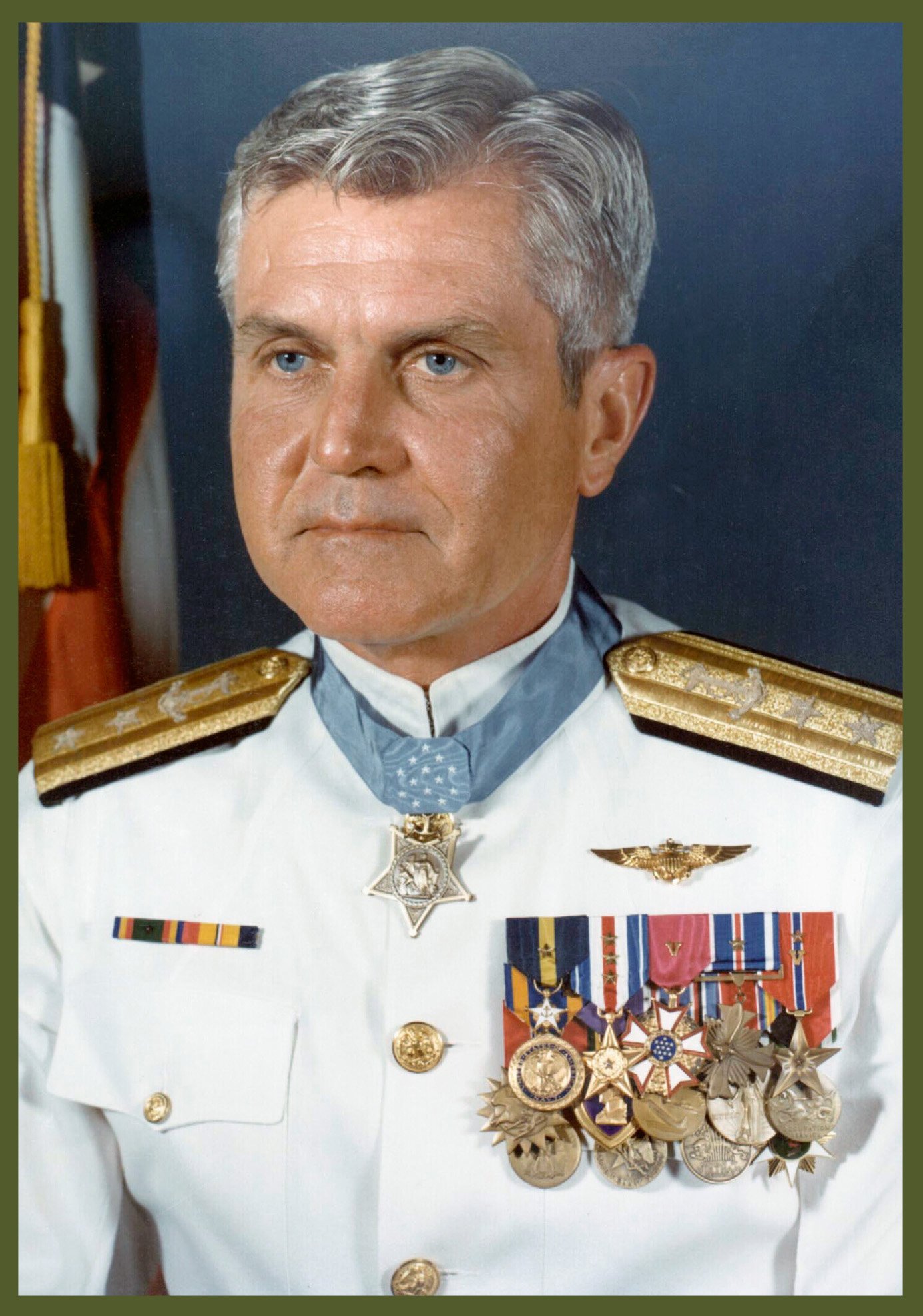
James Bond Stockdale (December 23, 1923 – July 5, 2005) was a U.S. Navy vice admiral, aviator, and Stoic philosopher who received the Medal of Honor in 1976 for his leadership as a POW for more than seven years during the Vietnam War.
On September 9, 1965, while flying as the Carrier Air Wing Sixteen Commander from USS Oriskany on a mission over North Vietnam, Stockdale ejected from his Douglas A-4 Skyhawk, which had been struck by enemy fire and completely disabled. He parachuted into a small village, where he was severely beaten and taken prisoner.
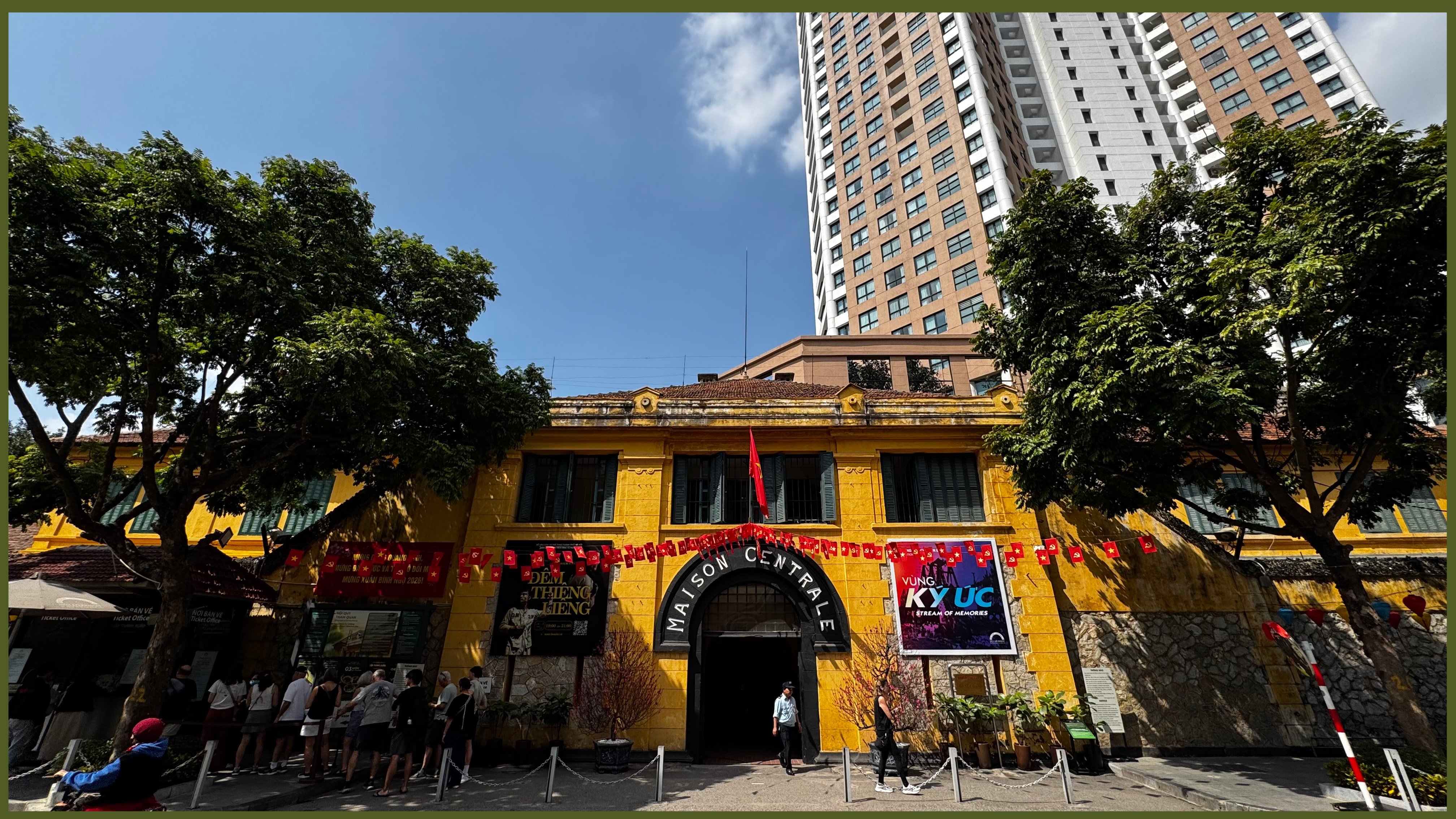
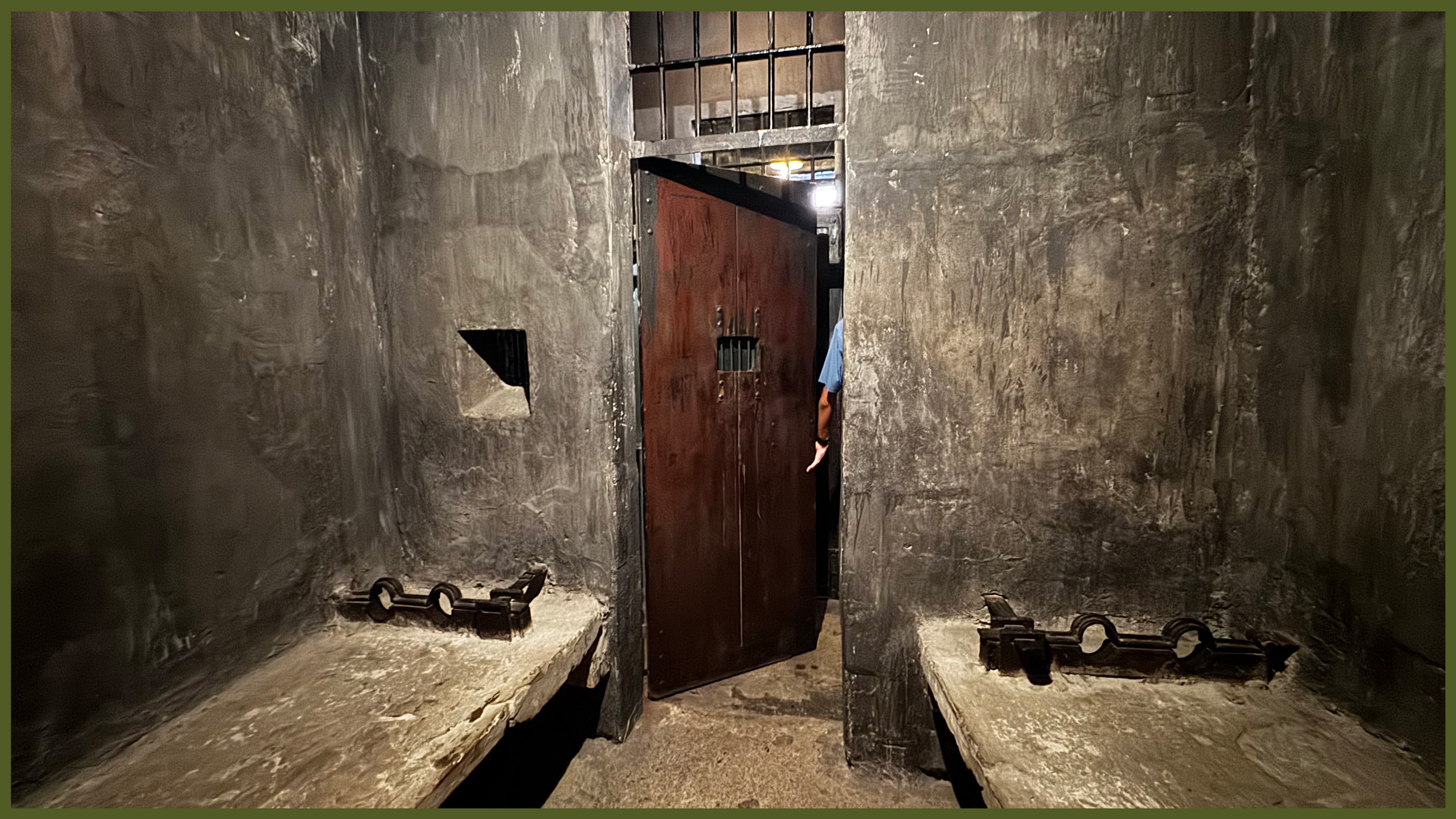
Stockdale was held as a prisoner of war in the Hỏa Lò Prison (the "Hanoi Hilton") for the next 7+1⁄2 years. As the senior naval officer, he was one of the primary organizers of prisoner resistance. Tortured routinely and denied medical attention for the severely damaged leg he suffered during capture, Stockdale created and enforced a code of conduct for all prisoners, which governed torture, secret communications, and behavior.
In the summer of 1969, he was locked in leg irons in a bath stall and routinely tortured and beaten. When told by his captors that he was to be paraded in public, Stockdale slit his scalp with a razor to purposely disfigure himself so that his captors could not use him as propaganda. When they covered his head with a hat, he beat himself with a stool until his face was swollen beyond recognition. When Stockdale was discovered with information that could implicate his friends' so-called "black activities", he slit his wrists so they could not torture him into confession. During the course of his captivity, due to torture, his leg was broken twice.
Stockdale's official Medal of Honor citation
For conspicuous gallantry and intrepidity at the risk of his life above and beyond the call of duty while senior naval officer in the Prisoner of War camps of North Vietnam. Recognized by his captors as the leader in the Prisoners' of War resistance to interrogation and in their refusal to participate in propaganda exploitation, Rear Adm. Stockdale was singled out for interrogation and attendant torture after he was detected in a covert communications attempt. Sensing the start of another purge, and aware that his earlier efforts at self-disfiguration to dissuade his captors from exploiting him for propaganda purposes had resulted in cruel and agonizing punishment, Rear Adm. Stockdale resolved to make himself a symbol of resistance regardless of personal sacrifice. He deliberately inflicted a near-mortal wound to his person in order to convince his captors of his willingness to give up his life rather than capitulate. He was subsequently discovered and revived by the North Vietnamese who, convinced of his indomitable spirit, abated in their employment of excessive harassment and torture toward all of the Prisoners of War. By his heroic action, at great peril to himself, he earned the everlasting gratitude of his fellow prisoners and of his country. Rear Adm. Stockdale's valiant leadership and extraordinary courage in a hostile environment sustain and enhance the finest traditions of the U.S. Naval Service.
(Credit / source / Vietnam American Heroes, Wikipedia and work of a sailor or employee of the U.S. Navy)