









The Strategic Hamlet Program was a counterinsurgency campaign launched by the South Vietnamese government of Ngo Dinh Diem in the early 1960s. The program sought to isolate the Viet Cong from the rural population by moving villagers into fortified communities, but forced relocation, corruption and poor implementation ultimately undermined the effort.
After two years of growing insurrection in the South Vietnamese countryside, pressure mounted on Diem to devise an effective counterinsurgency strategy. His answer was the Strategic Hamlet Program.
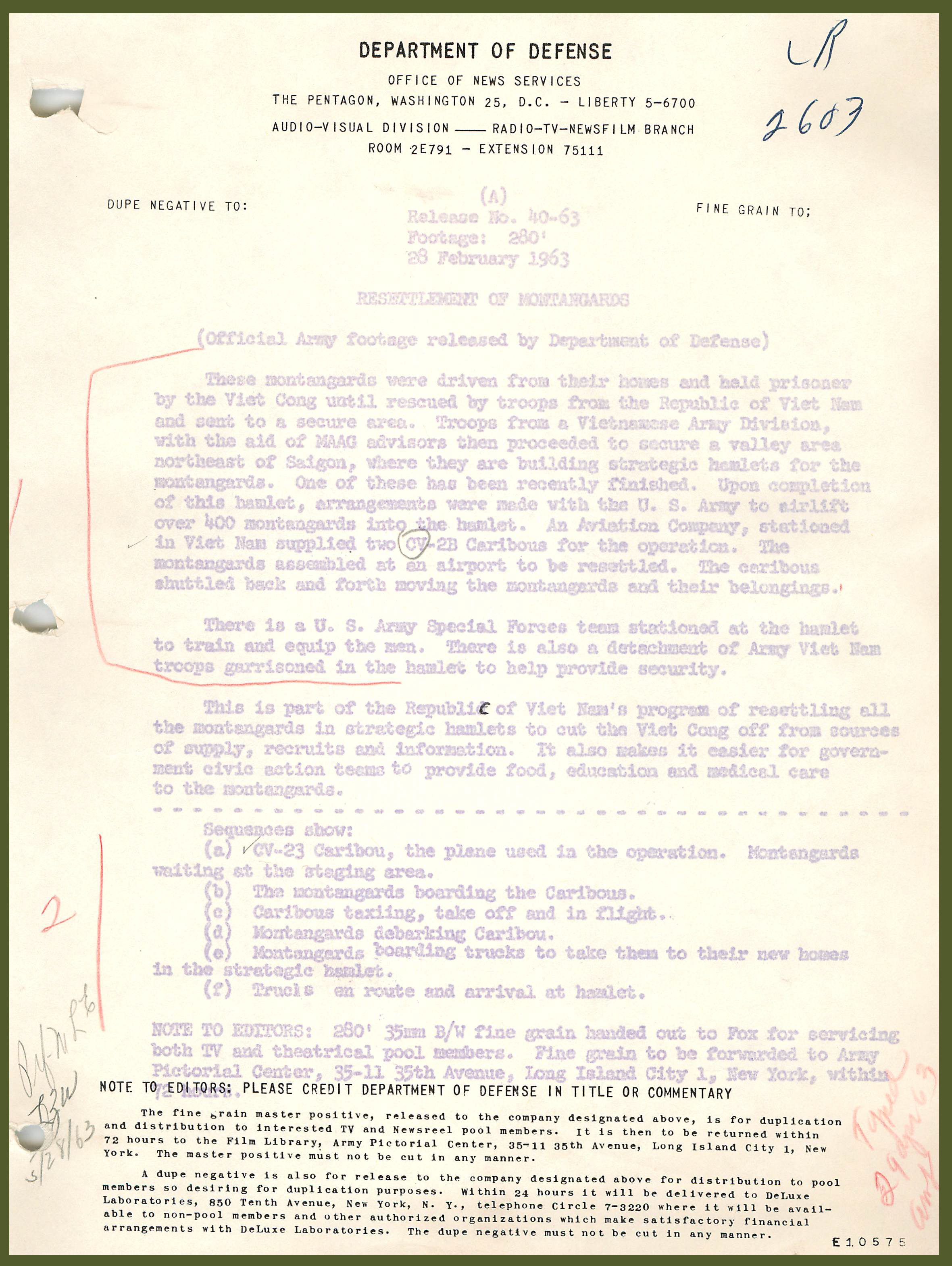
Resettlement of Montagnards, Vietnam 28 February 1963 (Credit Department of Defense: NAID: 102046344; Local ID: 111-DD-40-63)
As early as 1959, Diem began moving South Vietnam’s rural population from their ancestral homes to fortified villages, called “agrovilles”, to isolate them from their influence of communists and protect them from attack. The villagers resented the move, especially since the regime forced them to buy the land!
In September 1962, the regime announced that 4,322,034 people, 33.39% of South Vietnam’s population were living in fortified settlements. By the end of the year, more that 6.000 such settlements were said to be in operation, with hundreds more under construction.
Bamboo fence and trench around cultivated fields at a strategic hamlet at Cu Chi (Credit / source United States Federal Government)
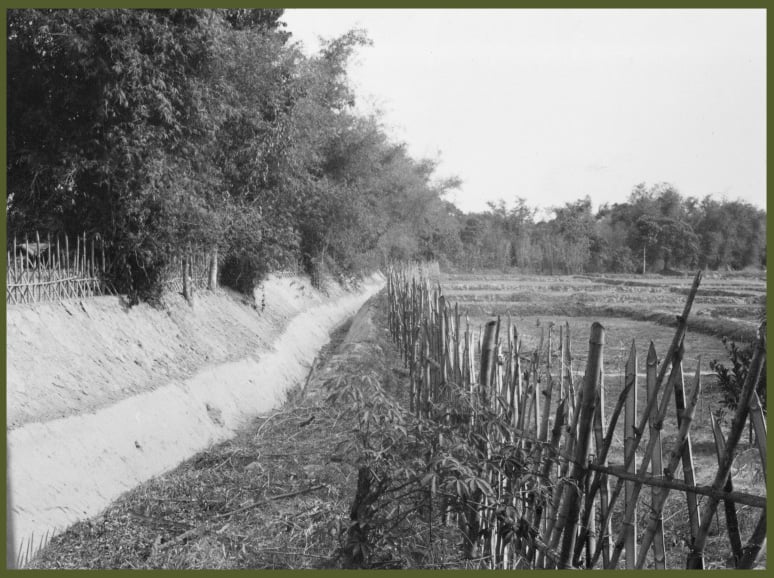
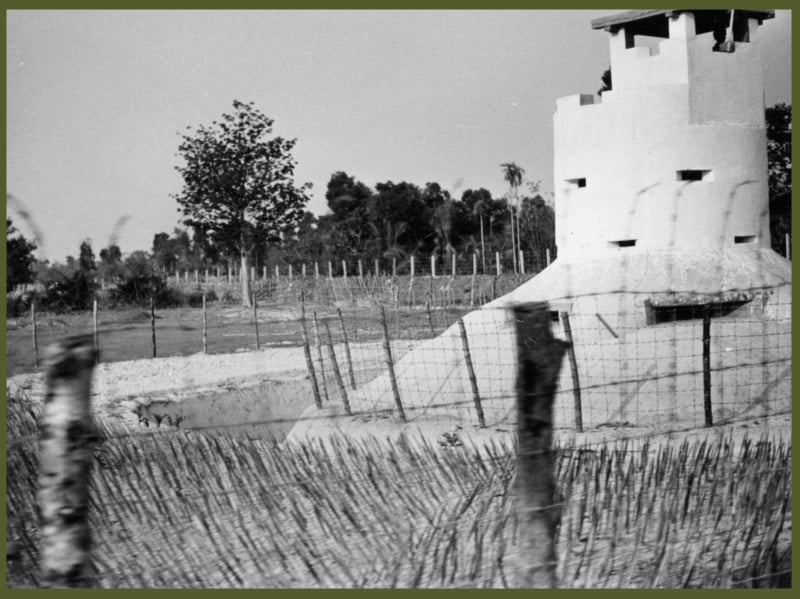
Fortifications at a strategic village in Cu Chi (Credit / source United States Federal Government)
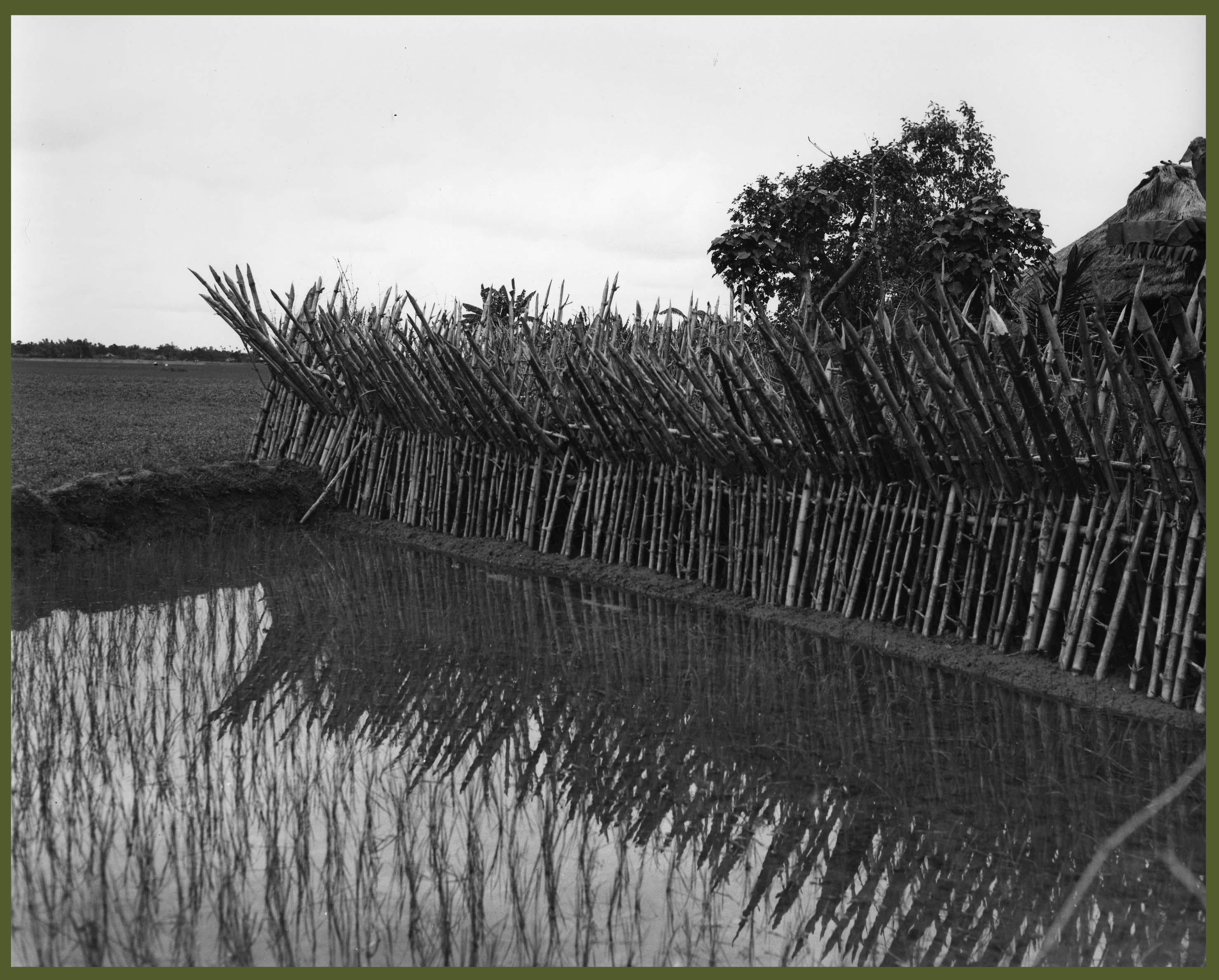
Homemade strategic hamlet defenses of sharpened bamboo in Phu Yen Province, before the arrival of barbed wire for reinforcing (Credit / source United States Federal Government)
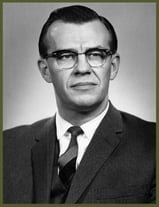
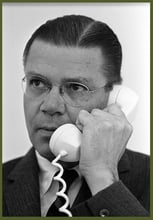
Some Americans high up in the Kennedy administration swallowed what Diem and Nhu were telling them. Roger Hilsman, the State Department’s Intelligence Director, initially described the scheme as an effective strategic concept. Defense Secretary Robert McNamara believed the program showed that Diem was at last making progress in countering subversion.
Roger Hilsman, director of the Bureau of Intelligence and Research. 1961-1963 (National Archives, Still Picture Branch, RG 59-S0, box 7)
Defense Secretary Robert McNamara (Credit / source Executive Office of the President of the United States)
The reality was very different. Many villagers bitterly resented being forced to labor unpaid, digging moats, implanting bamboo stakes, and erecting fences to protect themselves against people who were not threatening them directly. The ones who agreed to join local self-defense groups became embittered when the modern weapons promised by the government failed to arrive in any quantity. Even Hilsman grew disillusioned when he visited South Vietnam on a fact-finding mission in 1963.
Corruption was endemic among the officials appointed to administer the program. Instead of distributing the money that had been earmarked to buy seed and fertilizer, and pay for irrigation schemes, schools and medical care among the communities, they frequently embezzled it.
For their part, though initially alarmed by the program, the Viet Cong soon became fully aware of its shortcomings. Their response was to launch a systematic campaign that targeted the most important hamlets. Specially trained Viet Cong units were organized to destroy them, either by direct attack or infiltration. In total 200 of the strategic hamlets in the Long An province of the Mekong Delta were destroyed or simply abandoned.
After the Vietnam War ended, it was revealed that Nhu’s chief lieutenant, Colonel Pham Ngoc Thao, was a communist agent! He had sabotaged the Strategic Hamlets Program by deliberately implementing it so quickly that it drove the alienated villagers into the camp of the Viet Cong
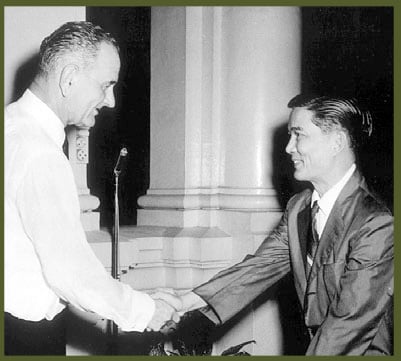
Vice President Lyndon B. Johnson at Gia Long Palace, Saigon, with Ngo Dinh Nhu at reception given by the vice president, May 12, 1961. Ngô Đình Nhu (right), appointed Thảo to supervise the Strategic Hamlet Program, unaware he was a communist agent intent on sabotage!
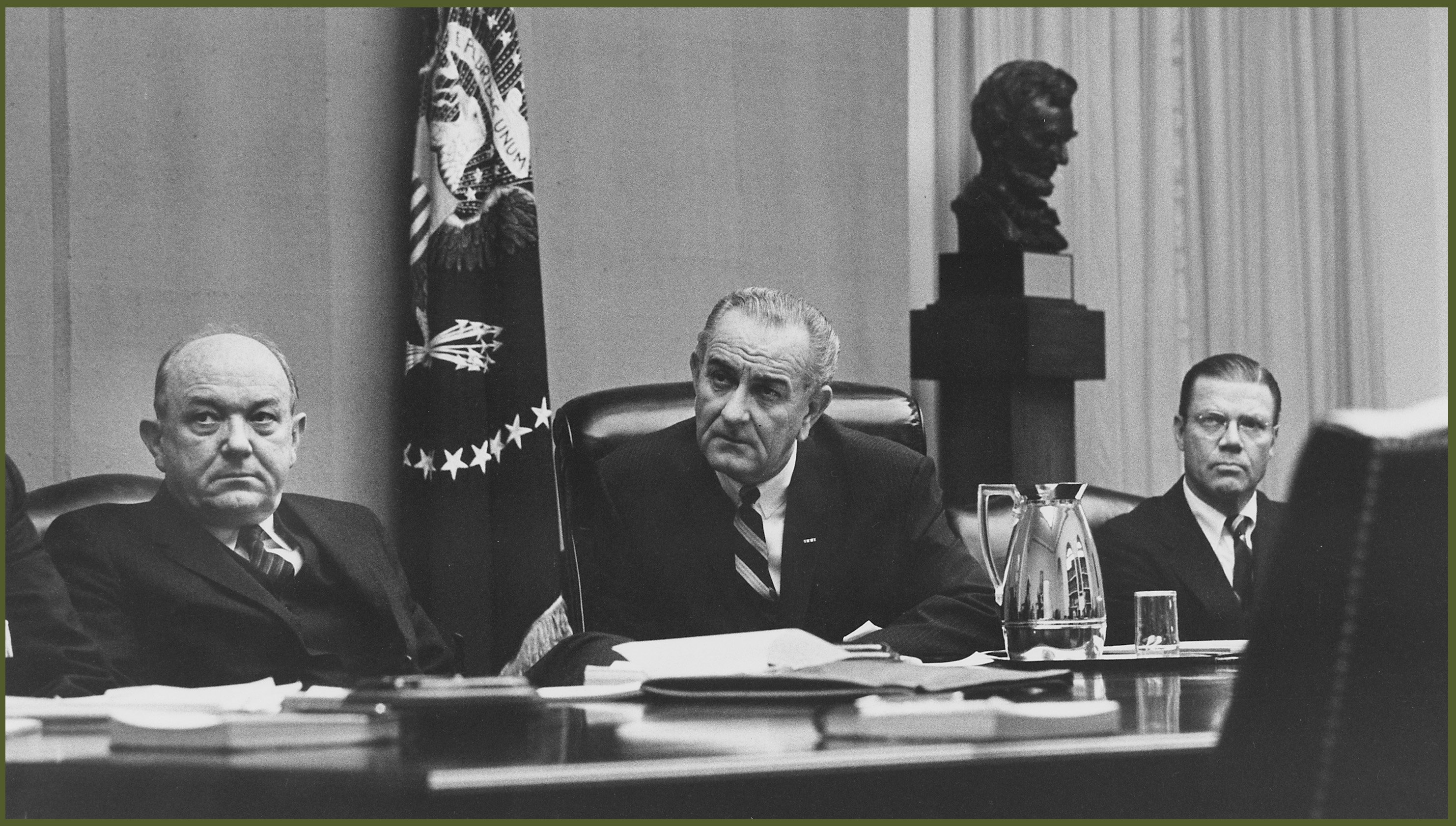
White House Cabinet Room. Secretary of State Dean Rusk, President Lyndon B. Johnson, Secretary of Defense Robert McNamara, 7 February 1968.