






After the overthrow and assassination of President Ngo Dinh Diem in November 1963, South Vietnam entered a period of intense political instability. A January 1964 coup brought General Nguyen Khanh to power, but the Viet Cong continued to gain strength, pushing South Vietnam deeper into crisis and setting the stage for greater U.S. involvement in the Vietnam War.
Christmas 1963 at the White House (Credit / source Wikipedia a work prepared by an officer or employee of the United States Federal Government)
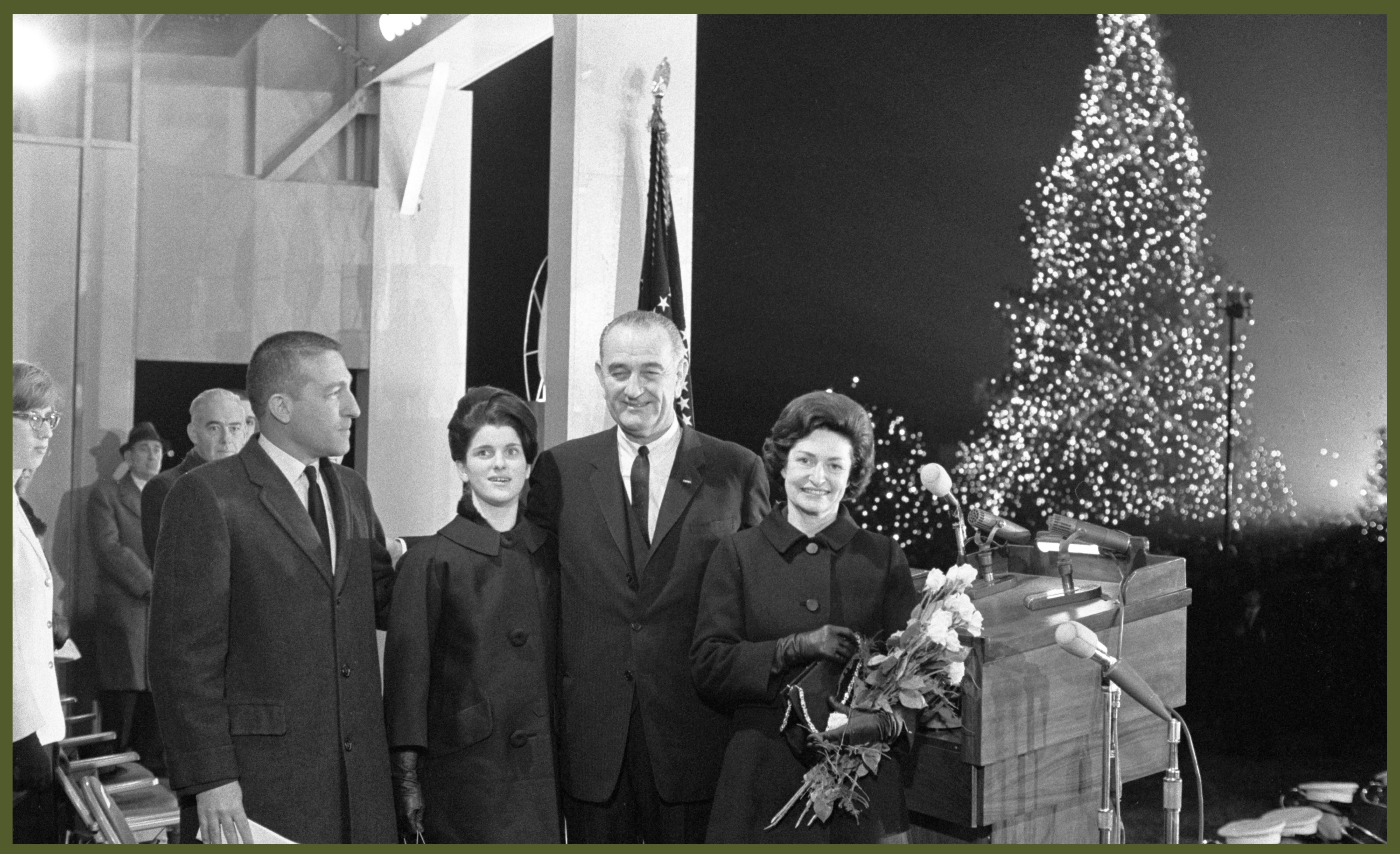
As Christmas Eve settled over Washington in 1963, President Lyndon B. Johnson welcomed guests to a White House reception. Amid the festive atmosphere, he quietly revealed the dilemma that weighed heavily on his mind.
Turning to his Chief of Staff, Johnson remarked, “Just let me get elected, and then you can have your war.”
Half a world away, South Vietnam was sliding toward chaos.
The overthrow and assassination of President Ngo Dinh Diem had not brought stability. Instead, the nation found itself trapped in a cycle of uncertainty and political intrigue. The Military Revolutionary Council, a group of twelve army officers that had seized power after Diem’s fall, struggled to govern. According to US Secretary of Defense Robert McNamara, the generals were consumed by political maneuvering in Saigon while neglecting the war raging across the countryside. Soldiers, provincial officials, and commanders in the field received little guidance as the government drifted.
For Johnson, the question was no longer whether the United States should support South Vietnam, but how. Every report arriving in Washington painted a darker picture. Communist influence was spreading, government authority was weakening, and confidence in Saigon’s leadership was evaporating.
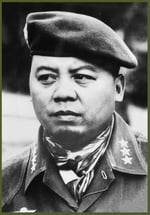
Then, on January 30, 1964, South Vietnam experienced yet another upheaval. General Nguyen Khanh overthrew the divided ruling junta in a bloodless coup, promising renewed energy and determination in the fight against the Viet Cong. Washington cautiously welcomed the change, hoping Khanh could provide the strong leadership that had been missing since Diem’s death.
General Nguyễn Khánh (Credit / source Wikipedia Dutch National Archives, The Hague, Fotocollectie Algemeen Nederlands Persbureau (ANEFO), 1945-1989)
But reality on the ground told a different story.
Enemy situation, early 1964 (Credit / source Wikipedia work prepared by an officer or employee of the United States Federal Government)
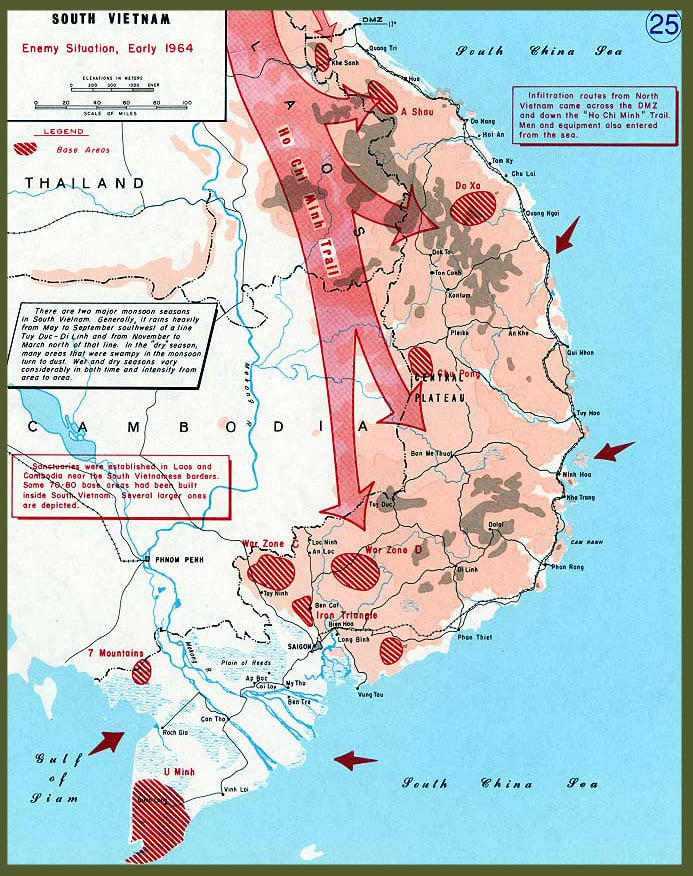
When McNamara visited South Vietnam in March 1964, he found a war moving steadily in the enemy’s favor. ARVN units were suffering heavy casualties, desertion rates were climbing, and morale was faltering. Meanwhile, the Viet Cong appeared stronger than ever, recruiting new fighters, expanding their influence in rural areas, and tightening their grip on the countryside.
ARVN Master Sergeant Pham Quang Minh, an interpreter with Force Logistic Command's passes on helpful hints to villagers in a hamlet market place northwest of Da Nang.
%20-%201969.jpg?width=1645&height=1406&name=ARVN%20(Army%20of%20the%20Republic%20of%20Vietnam)%20-%201969.jpg)
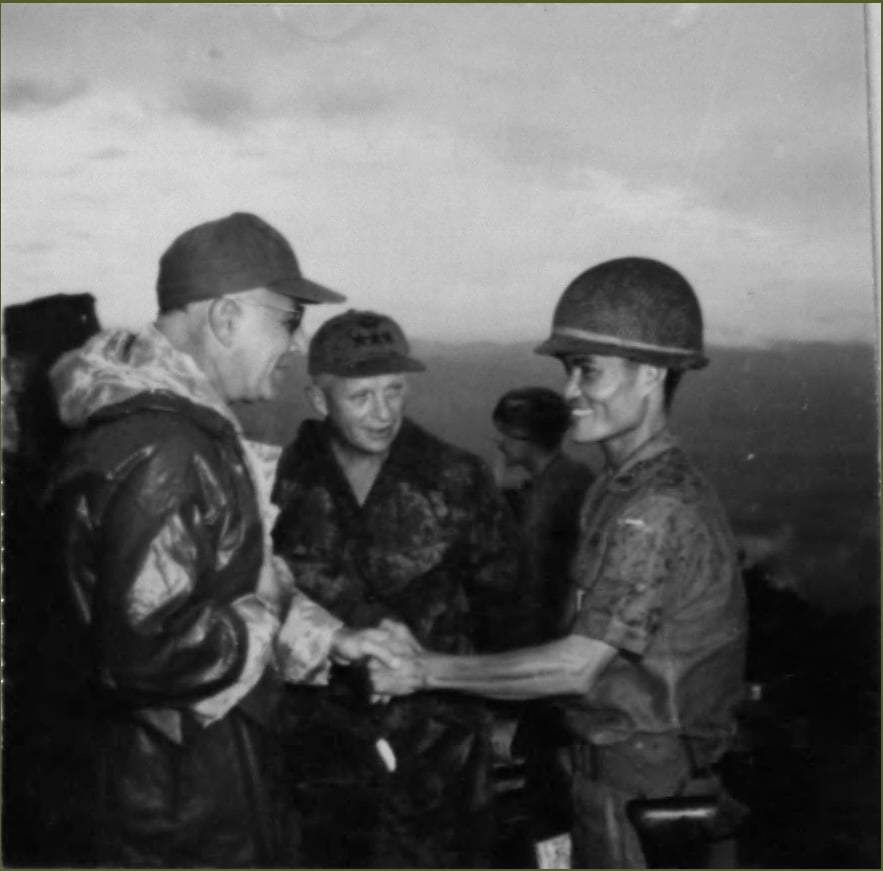
Lieutenant Colonel Vu Van Giai (left), commanding officer, 2nd Infantry Regiment of the ARVN greets Secretary of the Navy, Paul Ignatius during his visit to a fire support base just east of Khe Sanh.
For Vietnam American Heroes guests following the story of the Vietnam War, this was a decisive turning point. South Vietnam was no longer merely struggling—it was teetering on the edge. The political turmoil in Saigon and the growing strength of the insurgency convinced many in Washington that the conflict could not be won through advice and aid alone. The decisions made during these months would soon draw the United States far deeper into a war that was rapidly becoming its own.
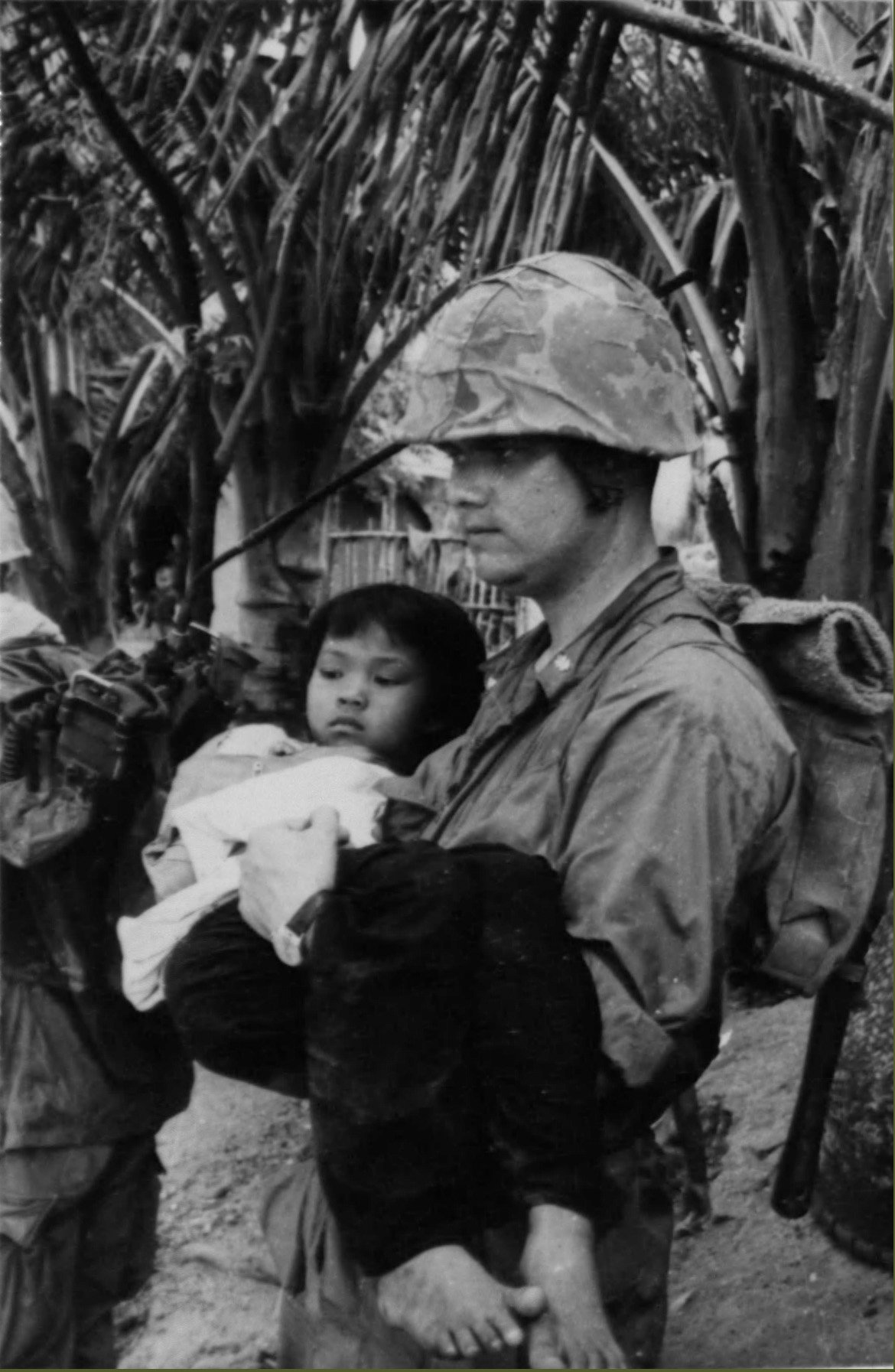
Navy Lieutenant James B. Back, experiences his first real contact with combat. Lieutenant Back, assigned as assistant surgeon to 1st Battalion, 1st Marines was with a blocking force for a sweep by ARVN units. When they came to a village, the doctors professional interest was aroused. He conducted an information "Medcap" This little girl had been wounded a few hours earlier. 1st June 1967
This period, between Diem’s fall in late 1963 and the Gulf of Tonkin crisis in August 1964, was one of the most critical and overlooked chapters of the Vietnam War, when South Vietnam's political collapse convinced American leaders that stronger intervention might be the only way to prevent defeat.
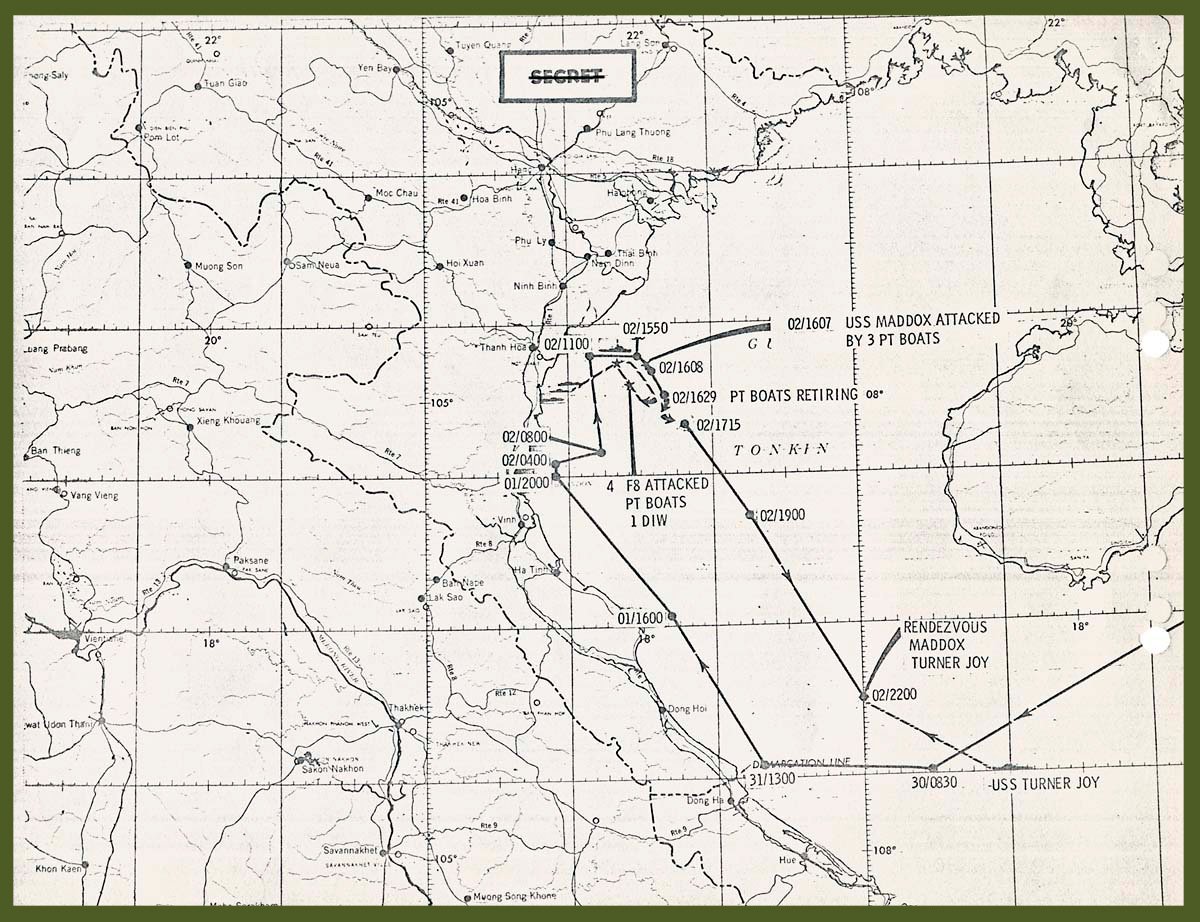
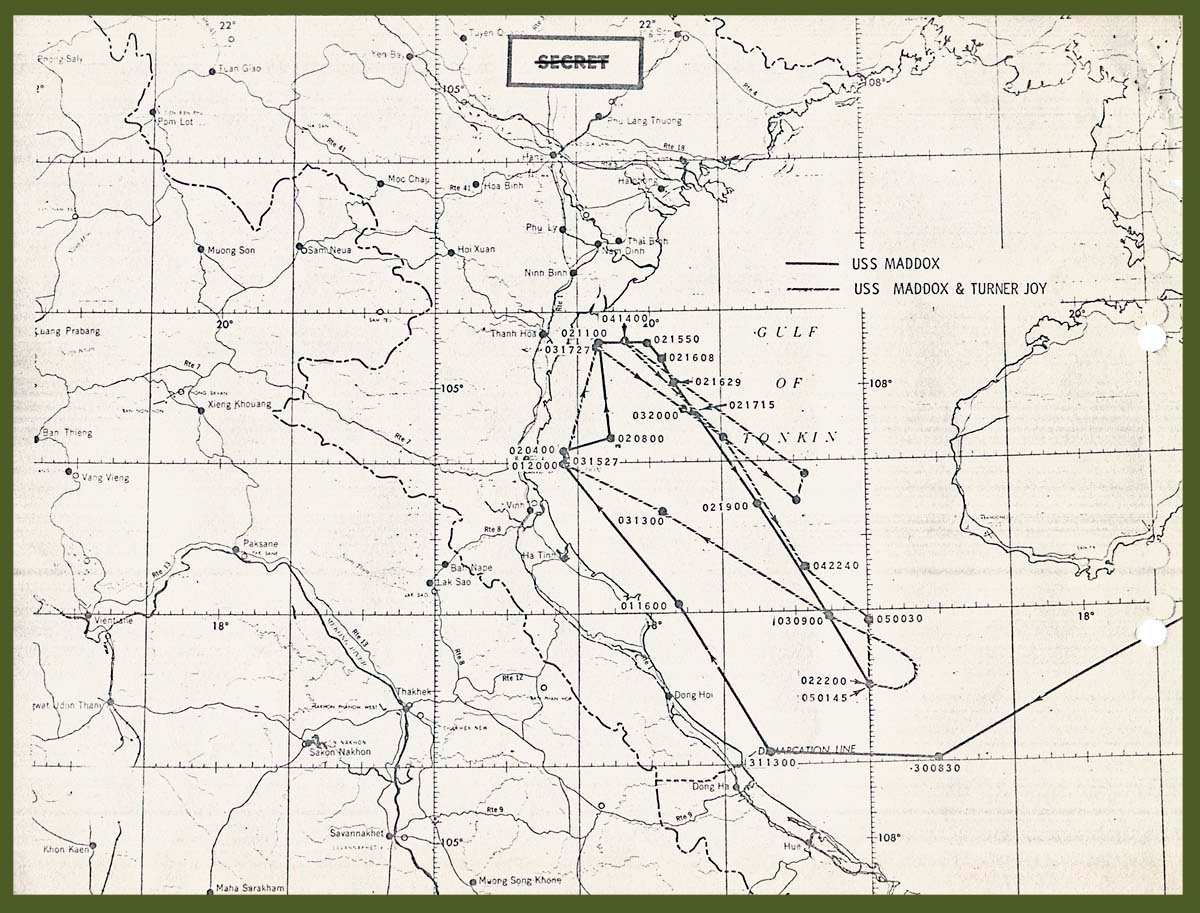
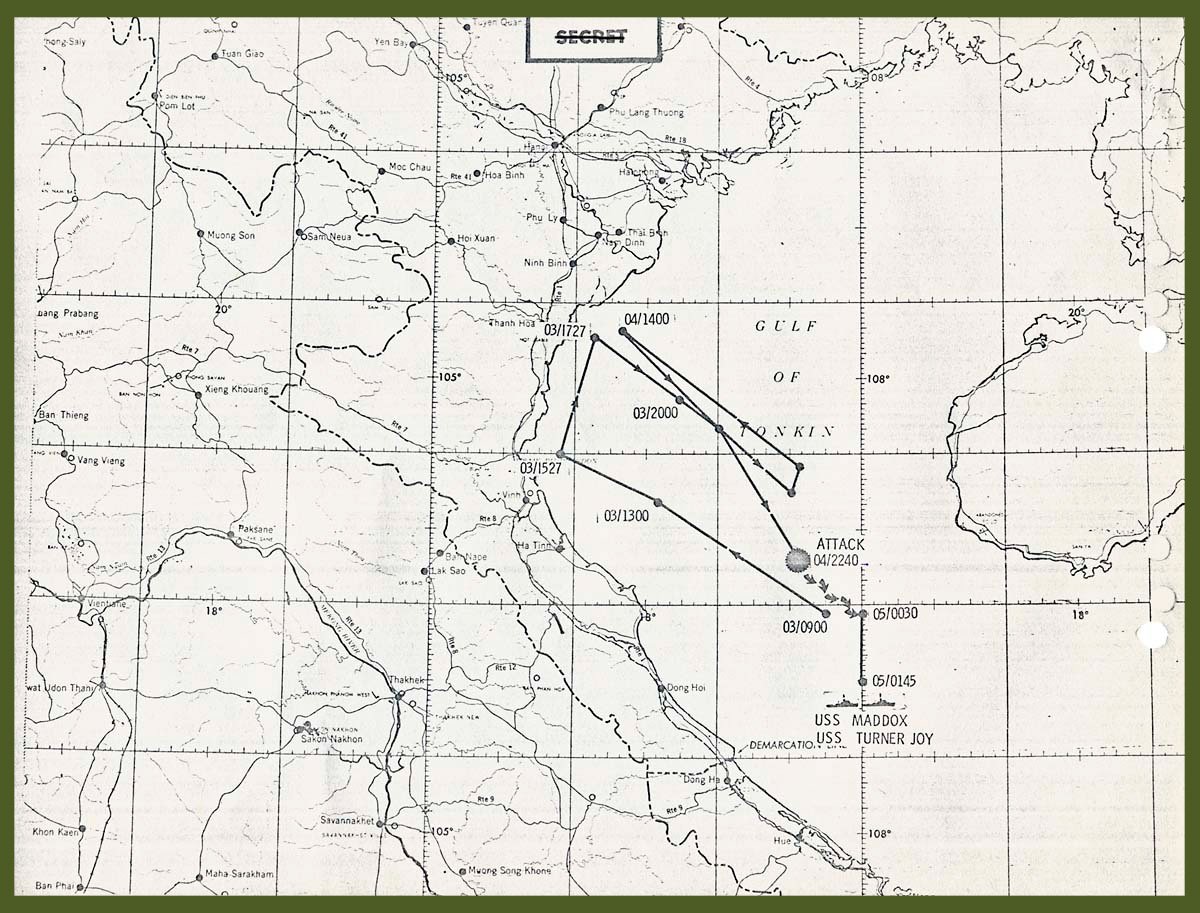
This map depicts the patrol routes of the USS Maddox and the USS C. Turner Joy in the Gulf of Tonkin from August 2-7, 1964.