










Sapa
In the mountains of Tonkin, the landscape seems to breathe.
Mist drifts through deep valleys. Terraced rice fields climb the mountainsides in sweeping curves, following the contours of the earth. Villages appear and disappear among the clouds, while narrow trails wind through bamboo forests, rushing streams, and fields flooded with water.
Far in northern Vietnam, near the Chinese border, Sapa rises from this extraordinary mountain world.
Sometimes the clouds seem to descend almost to the ground, swallowing the valleys in white. Then, as quickly as they arrived, the mists lift—and an entirely different landscape emerges. Hillsides reappear, covered in terraces that seem to stretch endlessly into the distance.
Nothing here is straight.
The rice terraces curve around the mountains. Houses cling to steep slopes. Footpaths follow ancient routes between villages. Water buffalo move slowly through the mud, while farmers work the fields beneath mountains that disappear into the clouds.
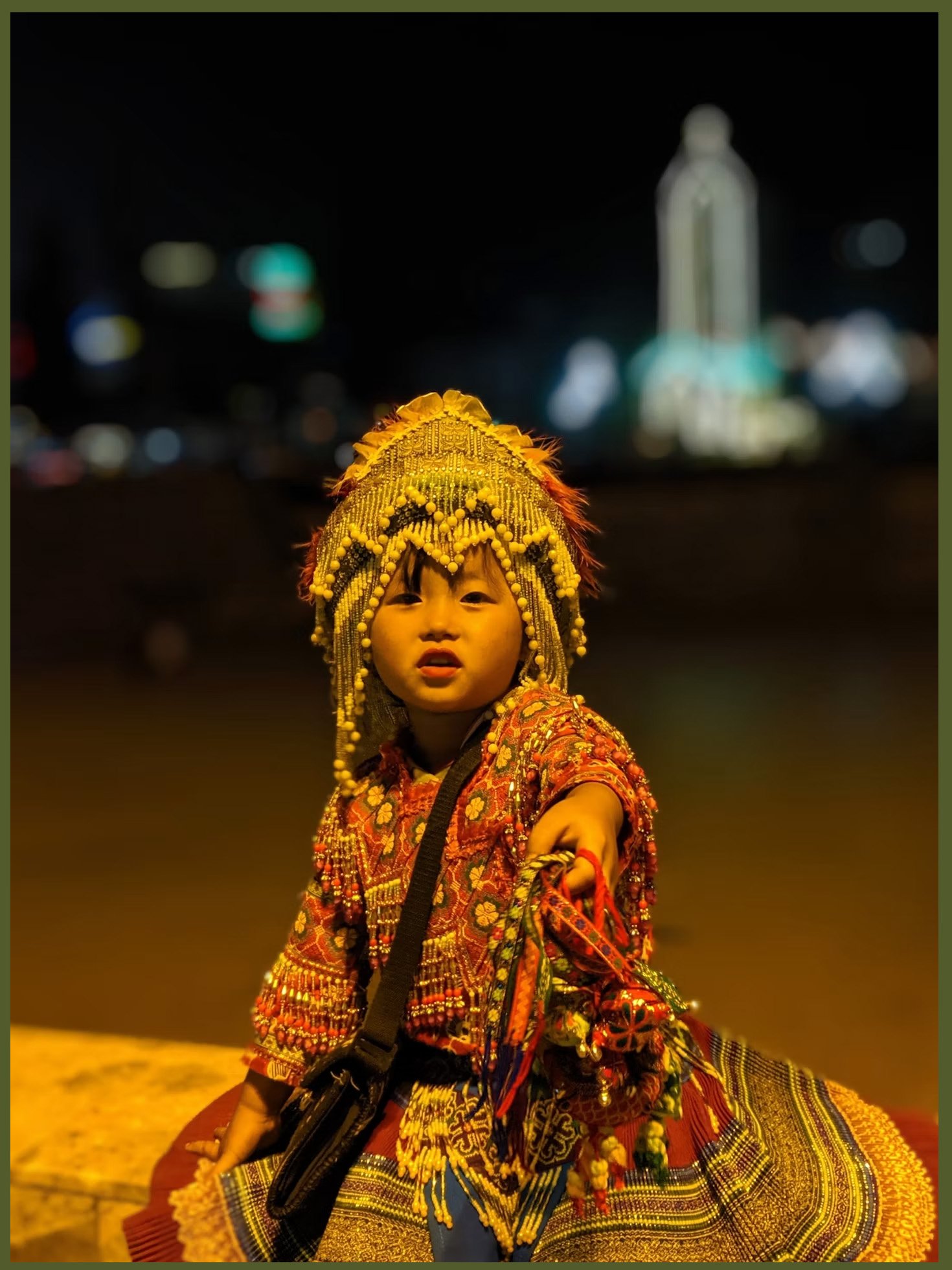
For centuries, this has been the world of Vietnam's highland peoples.
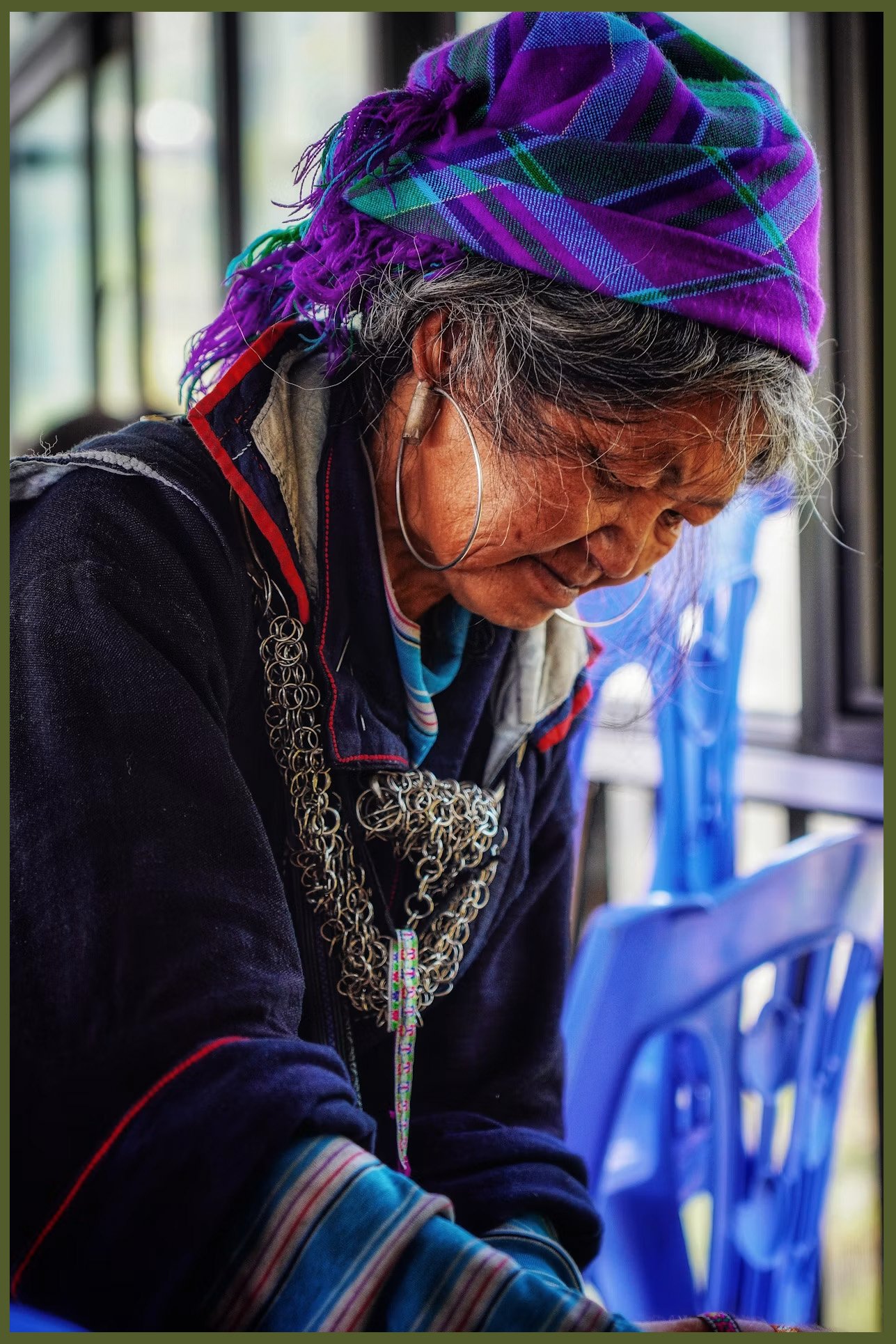
The Black Hmong, Red Dao, Tay, and Giay have lived among these mountains for generations, adapting their lives to a landscape that can be beautiful, demanding, and unforgiving. Their presence can still be felt everywhere—in the village markets, in the brightly embroidered clothing, in indigo-dyed fabrics, and in the distinctive headdresses worn by women walking along the mountain paths.
For the traveler, these are not simply picturesque traditions. They are fragments of a way of life shaped by the mountains themselves.
The French arrived here in the early twentieth century looking for something very different: relief from the oppressive heat of Hanoi. They established Sapa as a hill station, transforming the remote mountain settlement into a colonial retreat.
Much of the French-built town would later disappear during decades of war and upheaval. Yet Sapa remained suspended above the valleys of Tonkin, perched between the world of the lowlands and the isolated communities of the high mountains.
And the mountains have always dictated the rhythm of life.
Moisture carried inland from the South China Sea gathers against the northern ranges, feeding the streams and irrigation systems that make intensive rice cultivation possible at extraordinary elevations. Slopes that appear almost too steep for farming have been transformed, generation after generation, into enormous stairways of rice.
During the rainy season, the terraces become mirrors.
Water reflects the sky. Clouds drift across the flooded fields. Mountains seem to float above their own reflections.
Later, as harvest approaches, the green terraces turn golden, and the entire valley takes on an almost dreamlike quality.
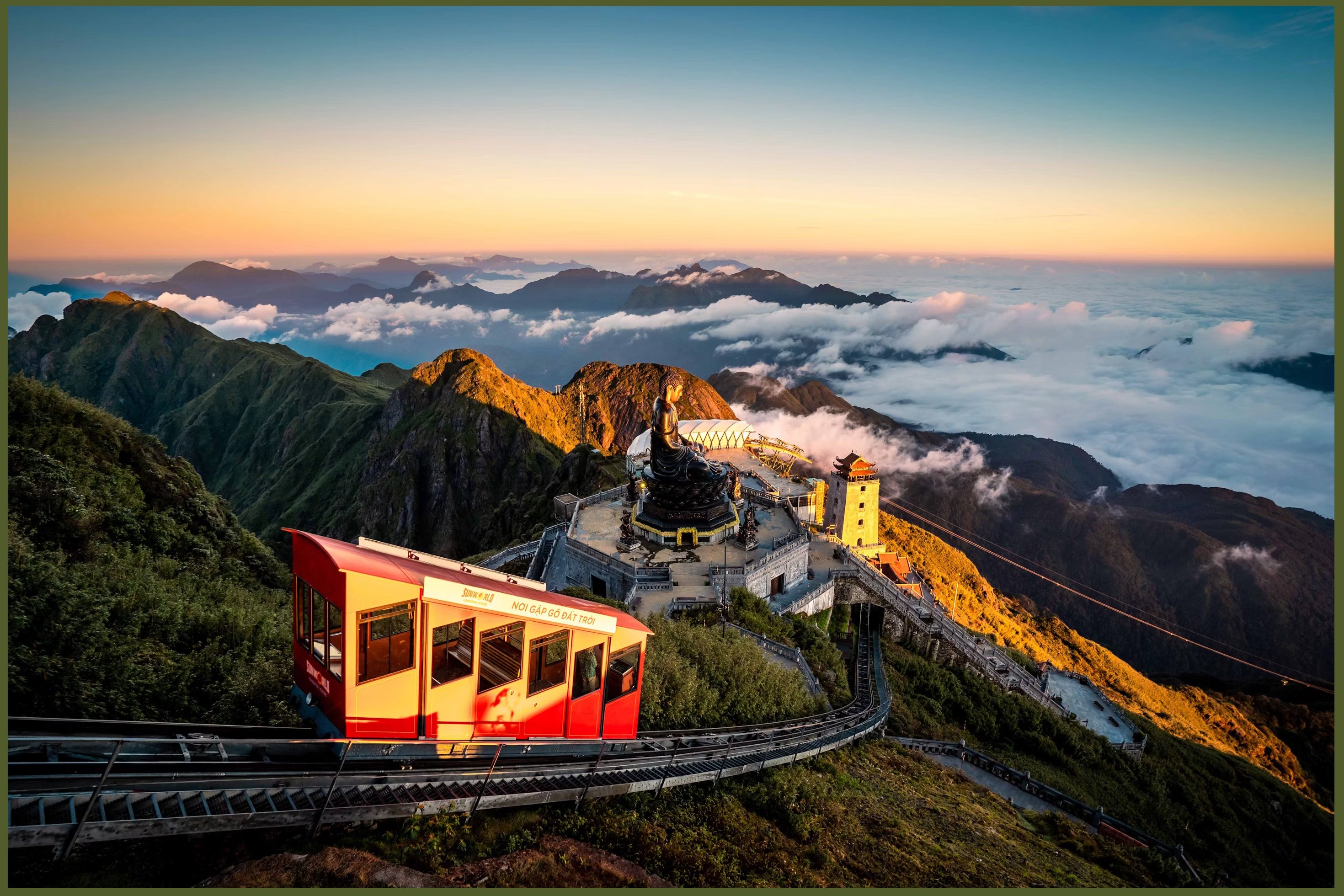
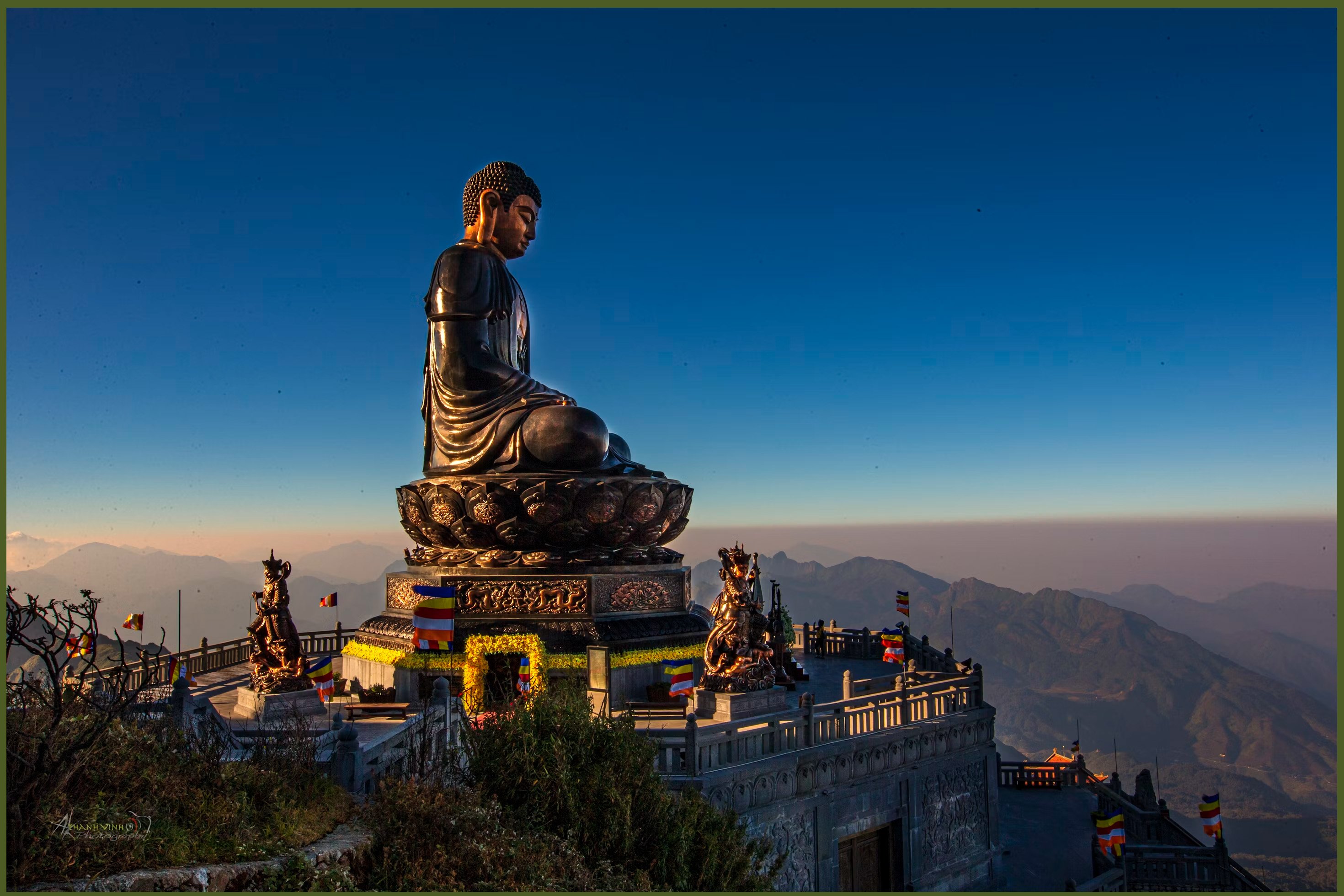
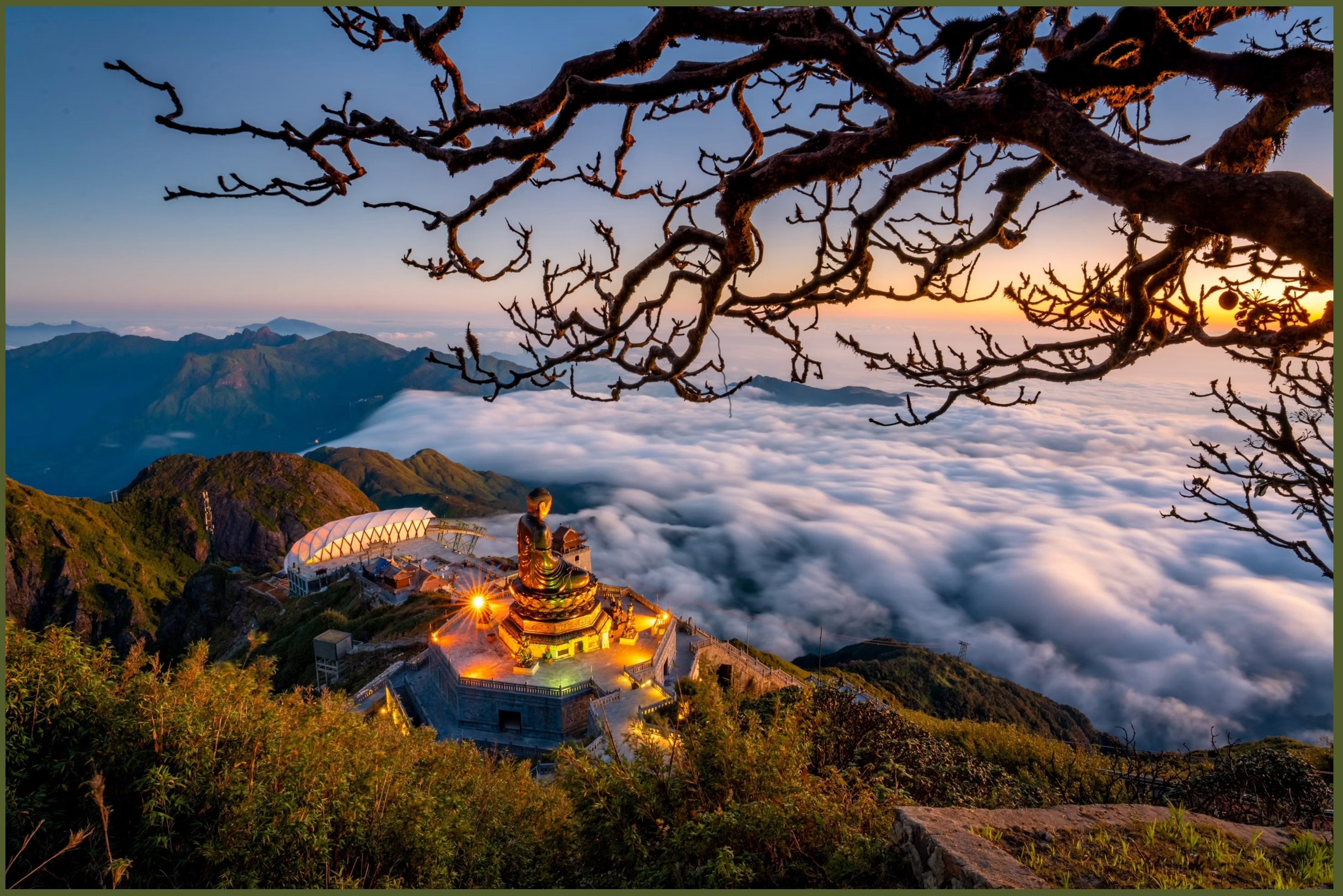
Above it all rises Fansipan.
At 3,147 meters, it is the highest mountain in Vietnam—a giant overlooking the valleys below. For generations, reaching its summit was a serious mountaineering challenge. Today, a cable car has made the summit accessible to visitors, but the mountain remains a powerful presence on the horizon.
For Vietnam American Heroes guests, however, Sapa is about more than spectacular scenery.
It is the human landscape that gives these mountains their character.
A woman carrying a wooden basket disappears along a narrow trail. Children in school uniforms hurry home through the mist. A farmer guides a water buffalo across a muddy path. Somewhere in the distance, a rooster breaks the morning silence.
Even the greatest panorama feels inhabited.
Tourism has transformed Sapa dramatically. Hotels, restaurants, roads, and modern transportation have brought the outside world deep into a region that was once remarkably isolated. Yet beyond the busy streets, the old rhythms remain. Farmers still work the terraces. Villages still cling to the mountainsides. Families still depend upon the land that their ancestors cultivated long before Sapa became a destination.
And then, toward evening, the mist begins to return.
The distant mountains fade first. Then the terraces disappear, one layer at a time. Villages become shadows. The valleys fill with clouds until the boundaries between earth and sky seem to vanish.
For a moment, Sapa feels untouched by time.
The mountains reclaim the landscape, just as they have done for centuries—a world of mist-covered valleys, slow rains, ancient paths, and rice fields suspended between earth and sky.