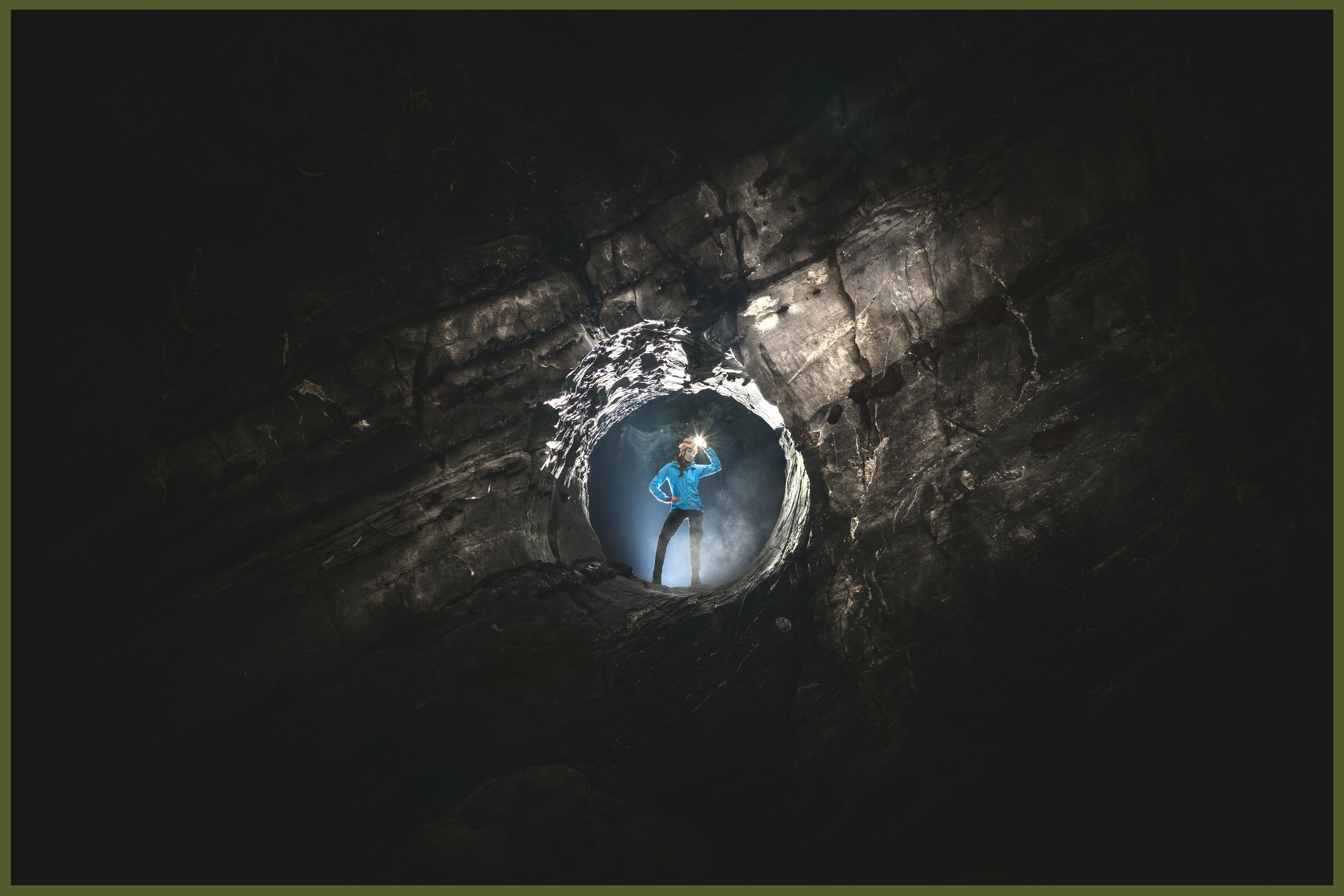











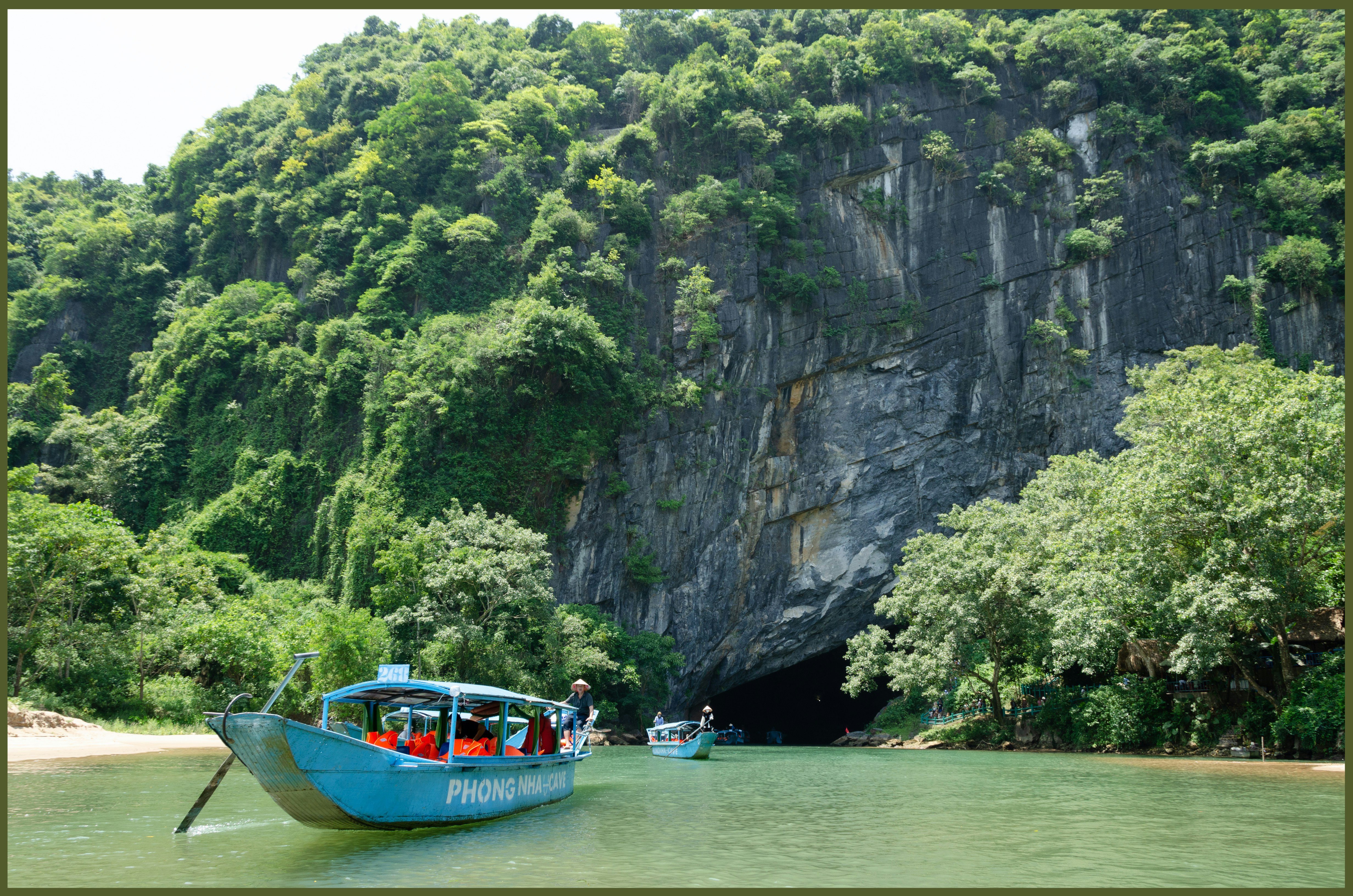
Phong Nha–Ke Bang Caves
Beneath the jungles of central Vietnam, rivers disappear into a hidden world—one of the greatest underground landscapes on Earth.
In Quang Binh Province, the mountains seem to have been hollowed from within.
Limestone peaks rise from the jungle, their slopes wrapped in dense green vegetation. Rivers wind quietly through the valleys before vanishing into the darkness. Behind the forested hills of Phong Nha–Ke Bang, hundreds of caves and underground passages have been carved over millions of years by water moving slowly through the ancient limestone.
Some are little more than narrow fissures, damp and alive with bats.
Others descend into chambers so immense that the imagination struggles to comprehend their scale.
Above ground, the landscape is already extraordinary. Karst mountains emerge from the rainforest like islands in a sea of green. The Son River, a brilliant ribbon of blue-green water, flows between them before disappearing into the Phong Nha cave system.
But here, the most remarkable landscape is the one you cannot see.
It lies beneath your feet.
For generations, this region remained isolated by its mountains and dense forests. During the Vietnam War, however, its strategic importance became impossible to ignore. The mountains lay close to the Ho Chi Minh Trail, the vast network of roads and paths that carried men and supplies south from North Vietnam.
The caves became part of that wartime landscape.
.jpg?width=8662&height=5949&name=Hang%20En%20(Swallow%20Cave).jpg)
Some provided shelter from bombing. Others were used to conceal supplies, equipment, and people moving through the region. Deep inside the limestone, the darkness offered a refuge from a war being fought above the jungle canopy.
Today, the silence feels almost absolute.
Water drips from the ceiling. Bats move through the darkness. Underground rivers continue their ancient journeys.
And beneath that silence is the memory of a much more recent past.
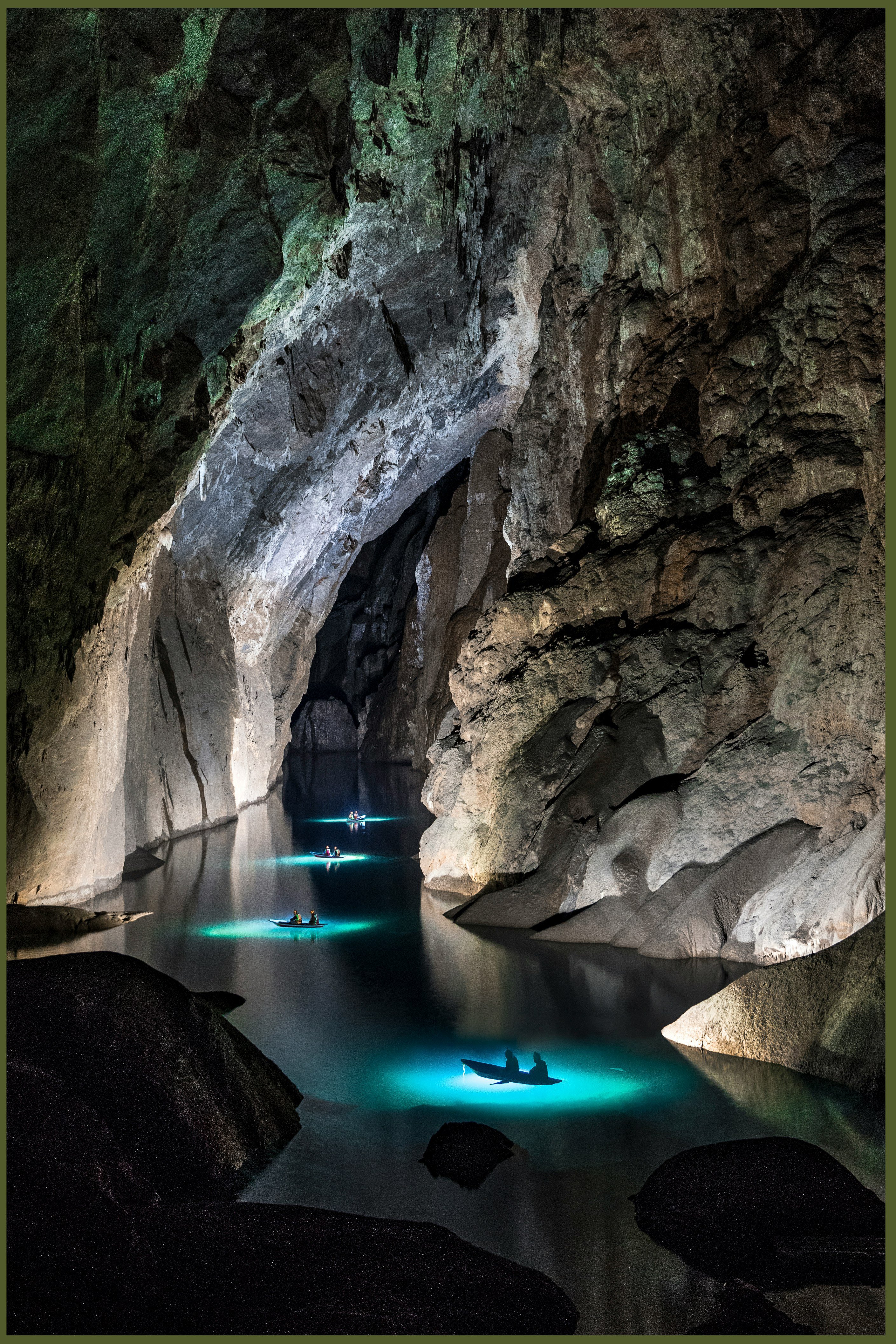
Then came the discovery of Son Doong.
Hidden in the Annamite Mountains, Son Doong is so immense that it changed the way the world imagined caves. First found by a local man, Ho Khanh, in 1990 and later surveyed by a British-Vietnamese expedition in 2009, the cavern contains enormous chambers, underground rivers, forests, and its own weather system.
Inside, the proportions become almost impossible to grasp.
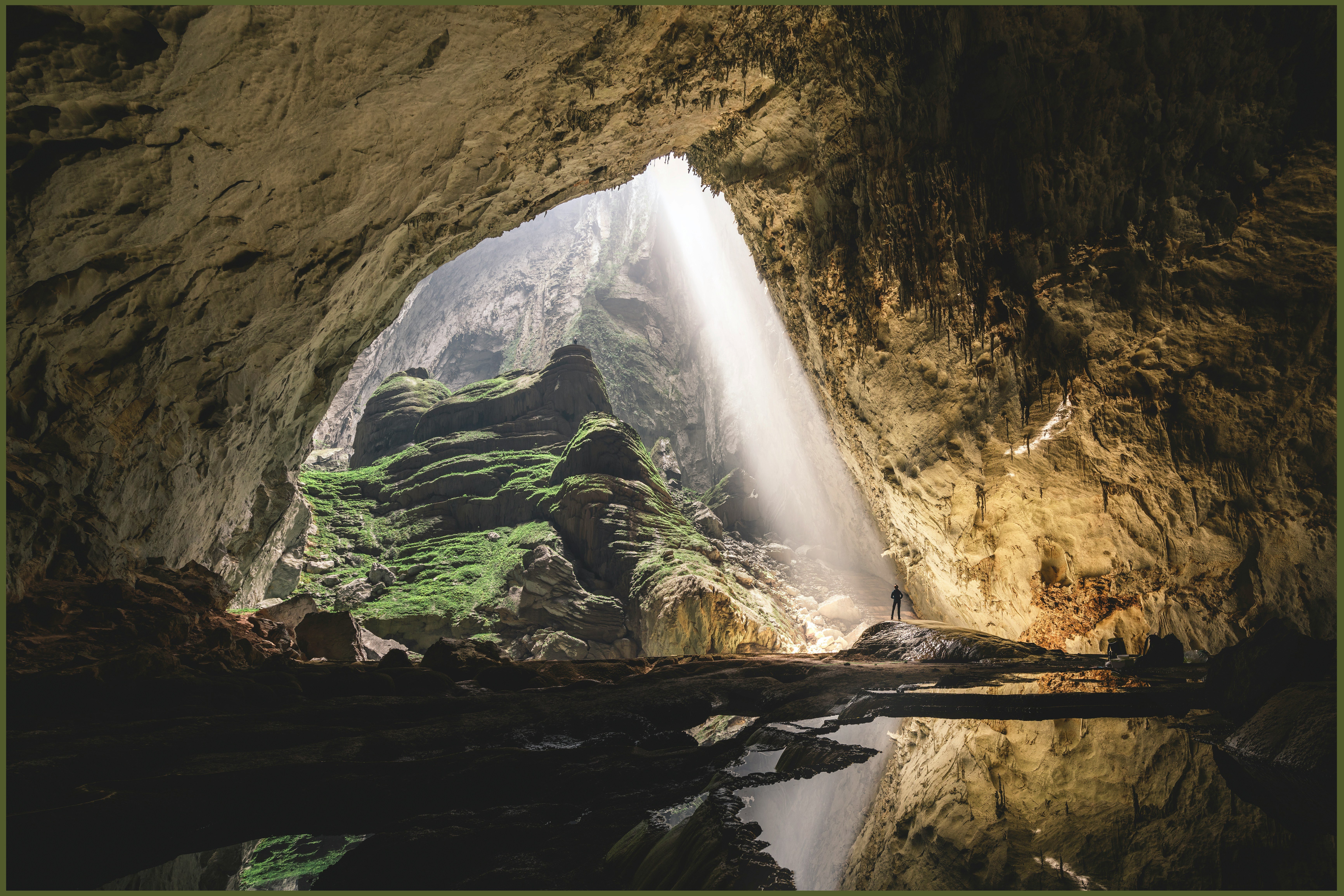
The ceiling rises hundreds of feet overhead. Massive stalagmites stand like stone monuments. Where sections of the roof have collapsed, shafts of sunlight penetrate the darkness, illuminating an underground jungle.
Mist gathers in the cavern.
Clouds can form.
And vegetation grows beneath the earth.
For Vietnam American Heroes guests who experience Phong Nha–Ke Bang, this is one of those rare places where the journey itself becomes part of the story. Moving through the landscape, between the jungle, the river, and the caves, it becomes clear that this is not simply a geological wonder.
It is a place where nature and history occupy the same space.
Outside the caves, life moves at a slower rhythm. Villages follow the riverbanks. Water buffalo wander along red-earth paths. Children swim beneath the limestone cliffs. Boats glide quietly across the Son River.
Tourism has arrived, but the mountains still dominate the landscape.
And underground, the work continues.
Water falls through cracks in the limestone, carving passages almost imperceptibly. Rock dissolves. Chambers expand. Stalactites and stalagmites grow by fractions of an inch over generations.
The caves are not monuments built by human hands.
They are monuments still being built.
That may be the most powerful thing about Phong Nha–Ke Bang. The mountains appear solid, permanent, almost timeless. But beneath the surface, they are constantly changing.
Water is moving.
Stone is yielding.
Darkness is becoming architecture.
And somewhere beneath the jungle, the underground rivers continue their patient work—creating, over geological time, a world of invisible cathedrals.
Phong Nha–Ke Bang National Park was designated a UNESCO World Heritage Site in 2003 for its outstanding geological and geomorphological values. Today, Son Doong is recognized as the world's largest known cave passage by volume.
Here, the earth itself seems alive.
And the deeper you go, the more you understand that Vietnam's landscapes are not only places to be seen.
Some must be entered.
Some must be remembered.
And some exist beneath your feet, waiting in the darkness.